
The question we get asked most, usually on the first evening over a glass of something cold, is: "Where should we go?"
The Gers is vast, the roads are quiet, and there is no obvious tourism trail to follow. You won't find a well-worn route here, no queue of coaches pointing at the highlights. What you will find, if you take the time, is a region of extraordinary depth — layered history, fabulous food, landscapes that change with every season, and a gentle, personable people, quite different from the character of the French in general.
This is our five-day answer. It isn't the only itinerary worth following from Séailles — we could write ten — but this one moves through different kinds of experience in a satisfying rhythm: markets and villages one day, history and gastronomy the next, nature and wine to finish. We've done all of it many times. These are our honest recommendations.
One practical note before we begin: a car is essential. The Gers has no meaningful public transport. The reward for bringing a car — or renting one from the airports at Bordeaux, Toulouse and Tarbes, or the TGV stations at Agen or Bordeaux — is that once you're on those quiet country roads, they are often entirely yours.
Day 1 — Market Morning, Roman Ruins, and a Fortified Village
Best on a Thursday
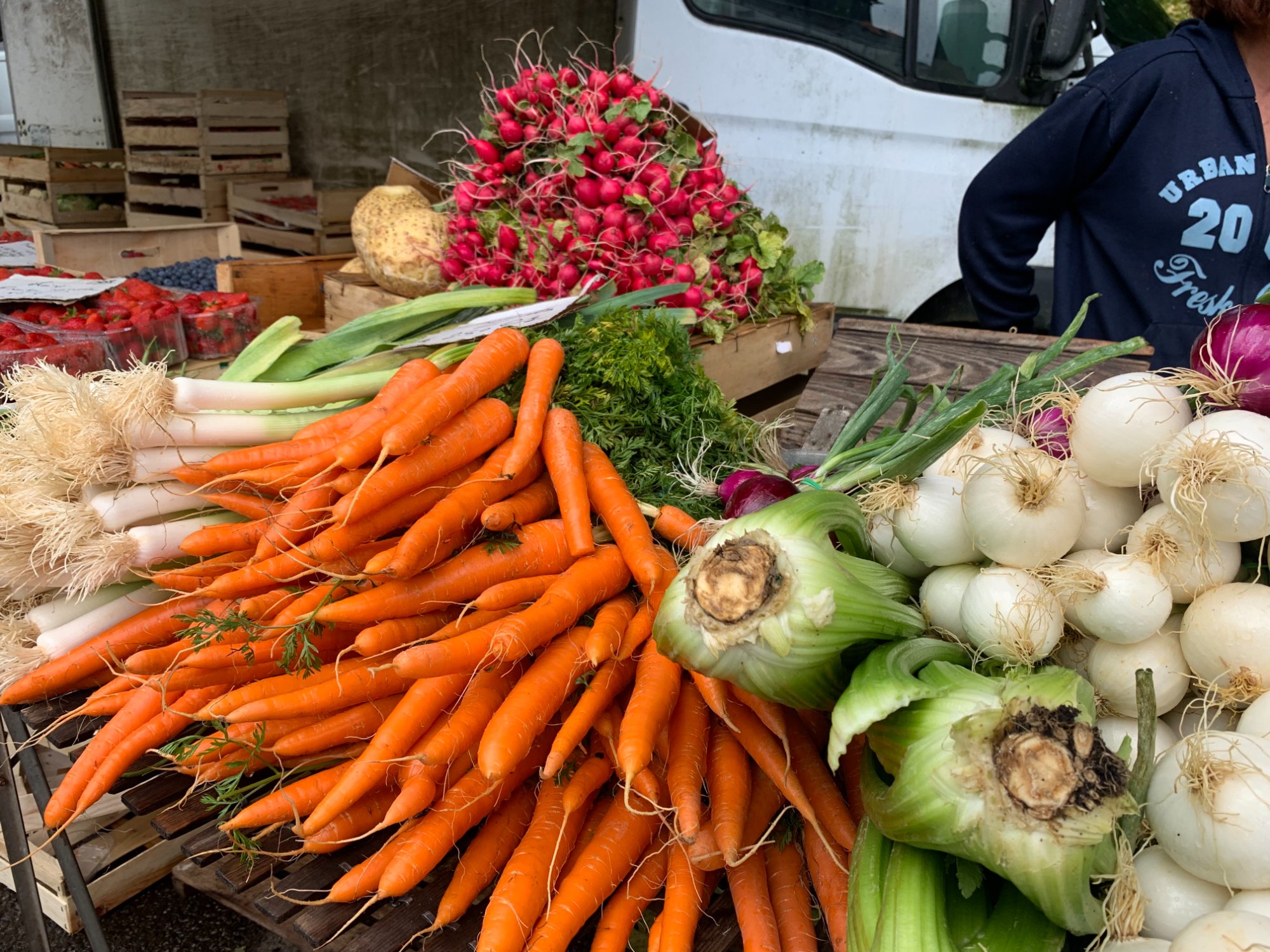
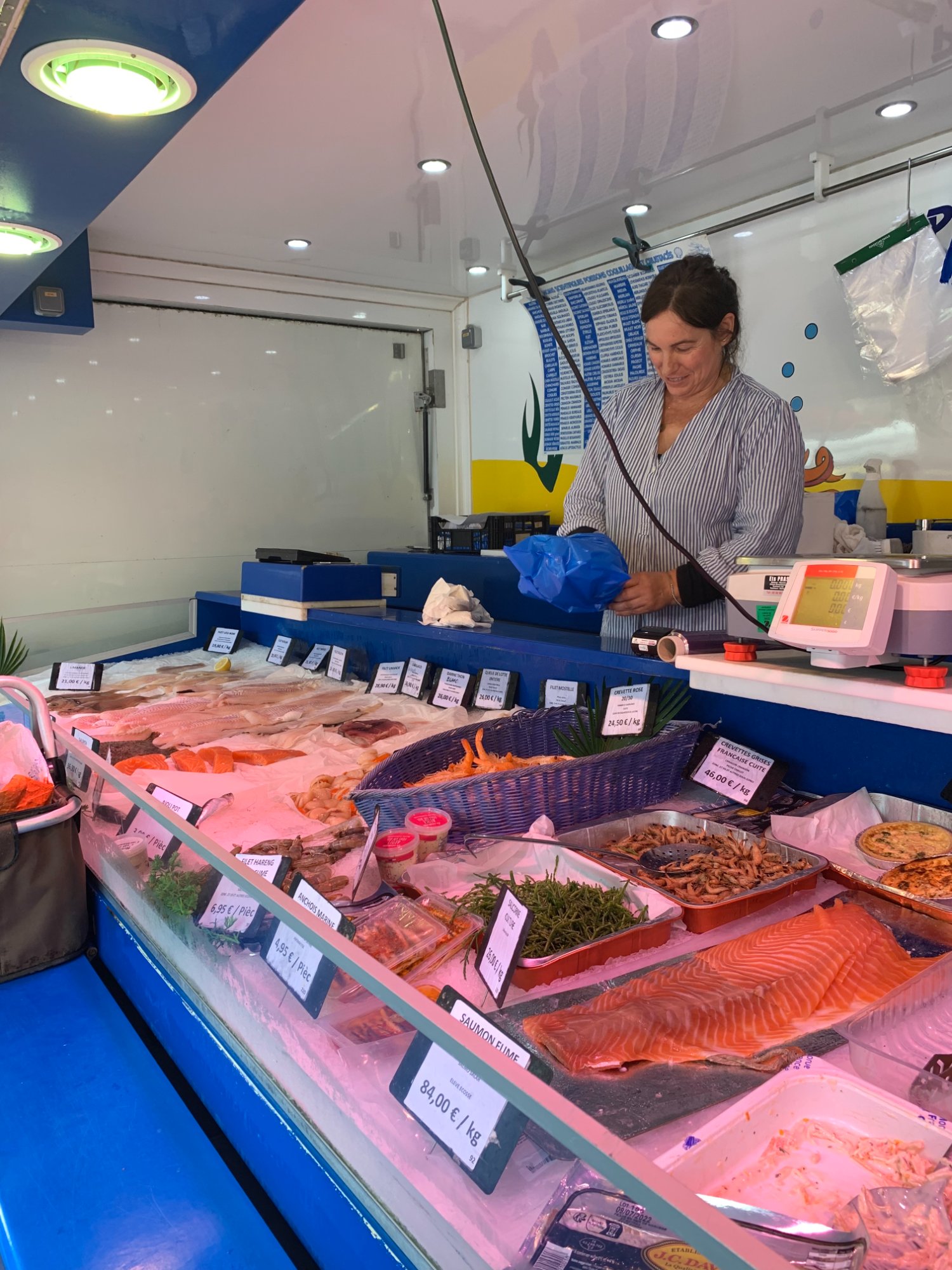
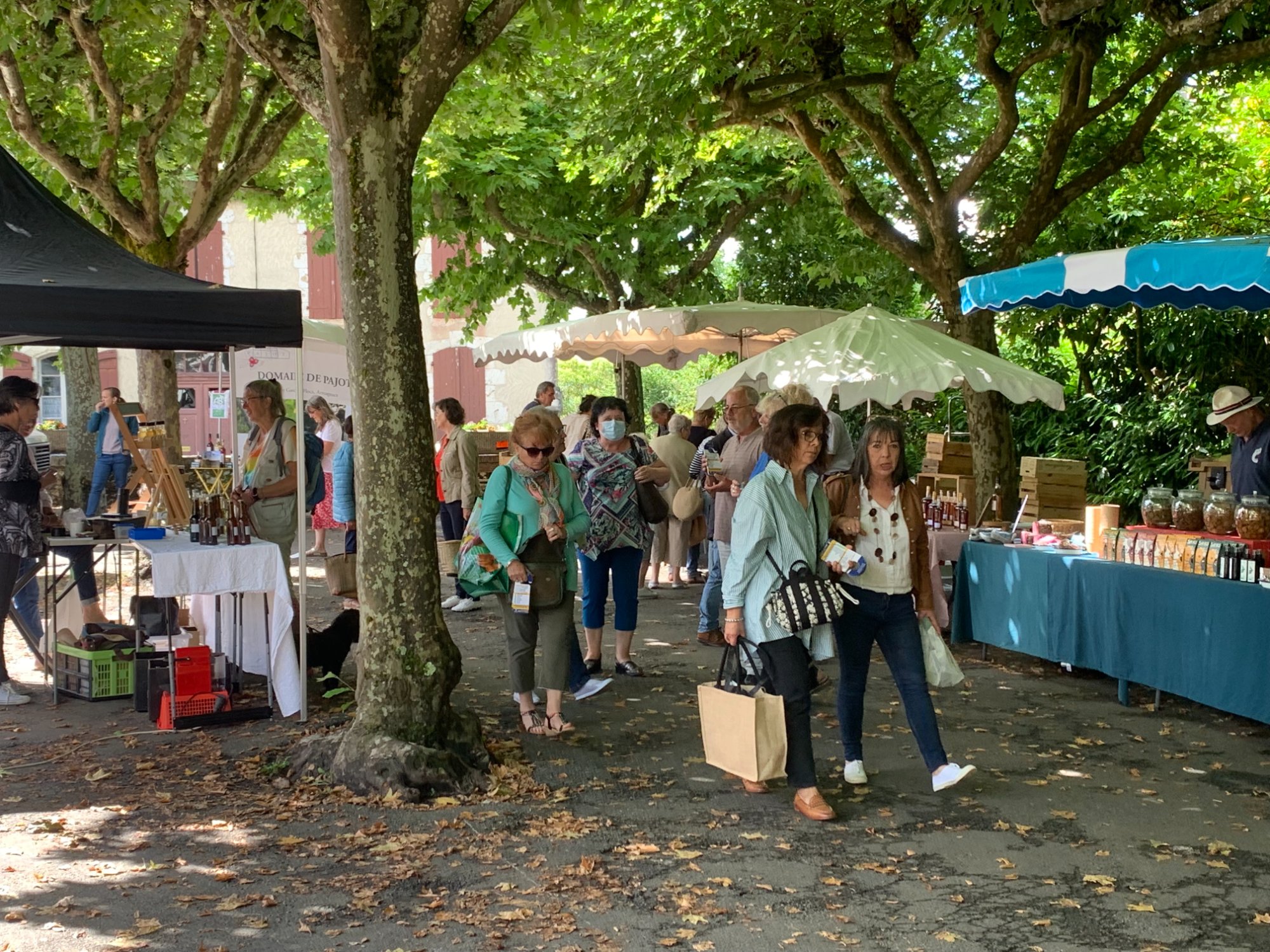
Start with the Thursday morning market in Eauze. Fifteen minutes east of the château, Eauze is the historic capital of Armagnac — its beautiful medieval square dominated by the Cathédrale Saint-Luperc, its café terraces full of locals by 8am. The Thursday market is the real thing: farmers selling that morning's vegetables, the fish stall — charmingly arranged in a boat — that appears only on Thursdays, charcuterie, honey, flowers, and an Armagnac producer or two with bottles lined up on a folding table. Go early. Take a canvas bag. Buy something that doesn't fit neatly in a suitcase.
After the market, walk across to the Musée Archéologique d'Eauze to see the Trésor d'Eauze — a breathtaking hoard of 28,000 Roman coins and jewels discovered in a field outside the town in 1985. One of the finest Roman treasure hoards in France, beautifully displayed. Eauze itself was once Elusa, a major Roman city in Novempopulania. The ground here is full of the past.
In the afternoon, drive 35 minutes to Larressingle — often called the smallest fortified village in France. A complete set of medieval walls encircles a tiny collection of houses, a ruined château, and a Romanesque church. It is crossed by the Via Podiensis pilgrimage route, and on a quiet weekday you can walk the ramparts alone. There is a good restaurant just outside the walls — L'Estanquet — where we recommend an early dinner watching the late light on the stone.
Day 2 — Botanical Gardens, La Romieu, and Condom
Best on any day except Sunday
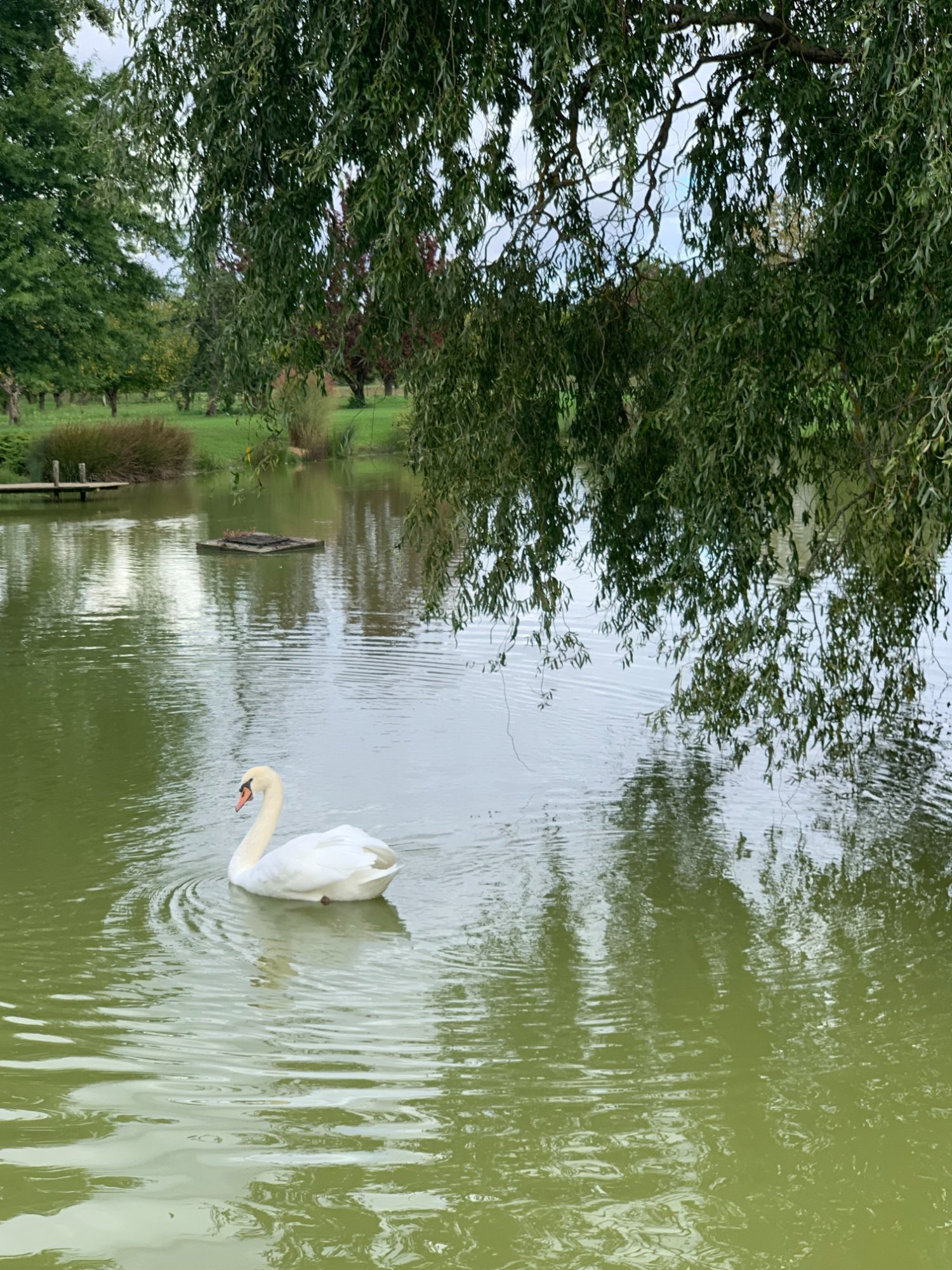
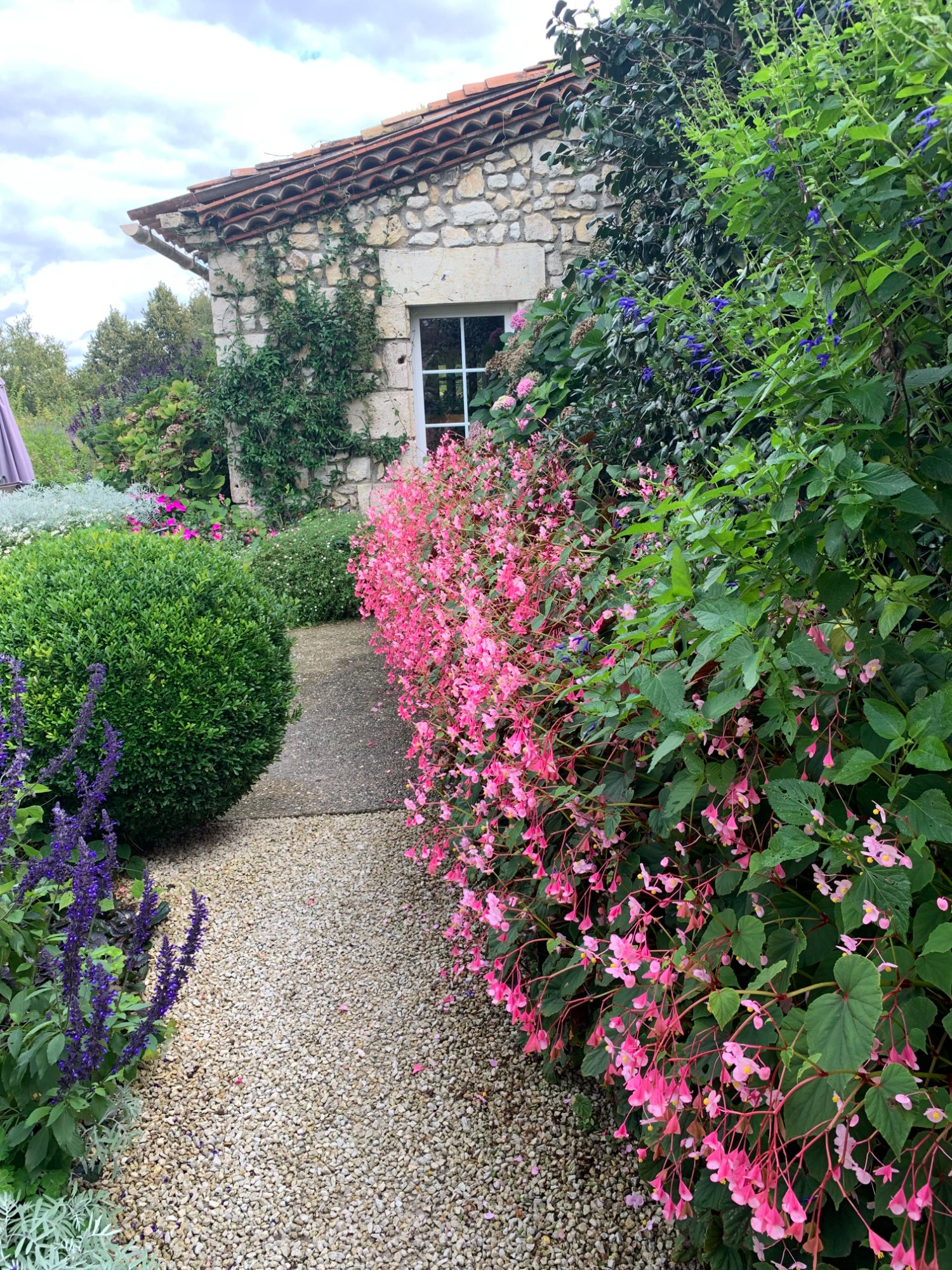
Begin the morning at the Jardins de Coursiana, a 6-hectare botanical garden and arboretum 600 metres from La Romieu, 45 minutes from the château. Created in 1974 by botanist Gilbert Cours-Darne and now owned by the Delannoy family, it holds the designation of Jardin Remarquable and is immediately apparent why. Over 700 species of trees and shrubs from five continents, including a 200-year-old English oak, a Chinese parasol tree, a dove tree (Davidia involucrata), and a national collection of over 60 species of lime tree — the only one of its kind in France. Allow two hours and arrive when they open. Open afternoons only on weekdays (14h–18h), Saturday mornings (10h–16h), closed Sundays.
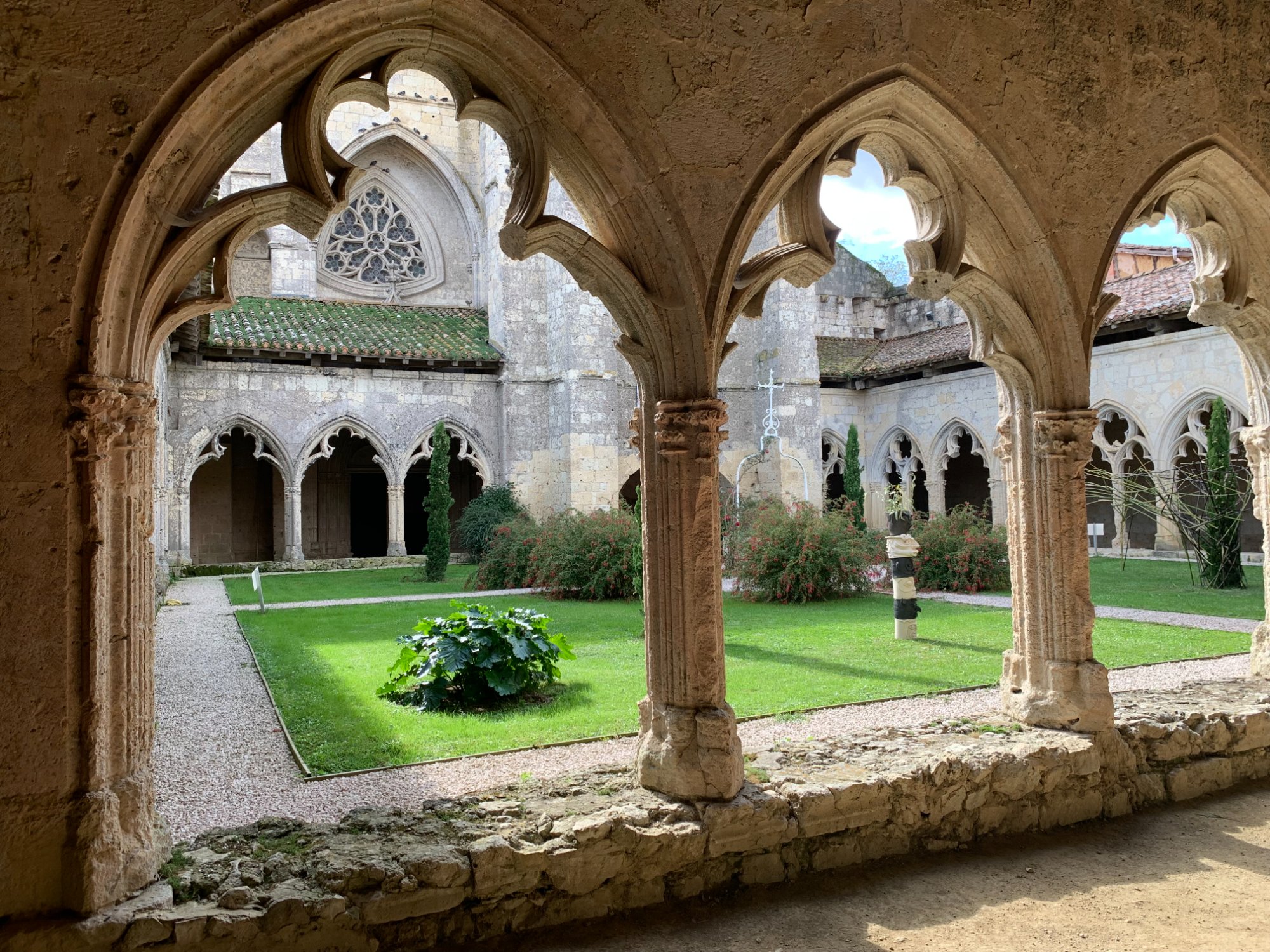
Walk or drive 600 metres into La Romieu to visit the Collégiale Saint-Pierre — a UNESCO World Heritage Site. Built between 1312 and 1318 by Cardinal Arnaud d'Aux, the cloister is the centrepiece: ochre stone, Gothic arches, carved capitals, an atmosphere of extraordinary stillness. From the octagonal tower, the views extend across the Gascon hills to the Pyrénées on a clear day. La Romieu is also famous for its legend about cats — small ceramic cats now appear throughout the village as a tribute to a girl named Angéline who saved the town from a plague of rats in the 14th century.
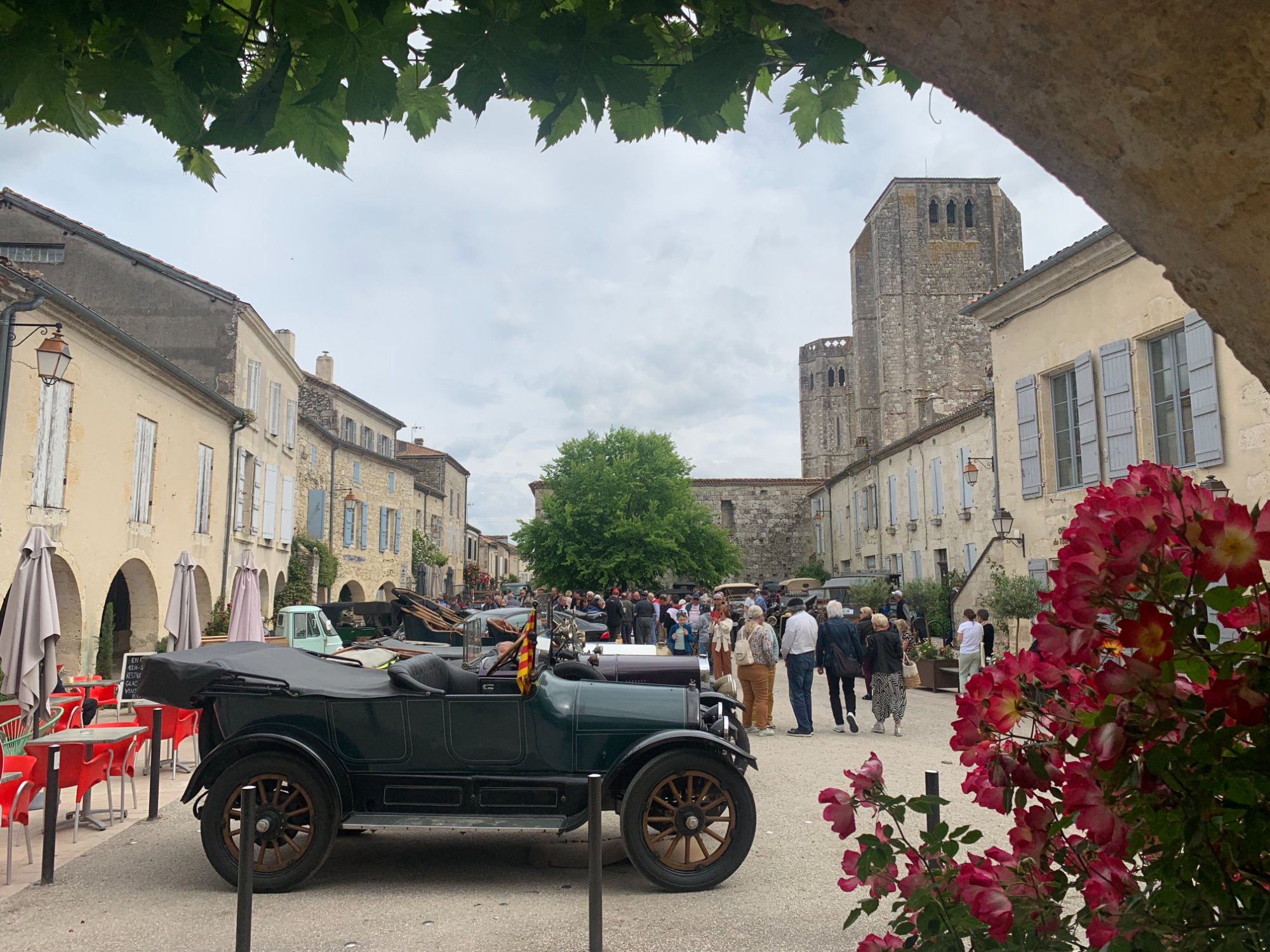
Lunch in La Romieu at the café on the square. Then drive 20 minutes to Condom — the episcopal city, its 16th-century cathedral in flamboyant Gothic looming over the river Baïse. Walk the old town and visit the Musée de l'Armagnac (check current opening times with the tourist office: 05 62 28 00 80, as it has been closed for renovations). For dinner, Le Sarmet on the Place du Cardinal is our recommendation: honest Gascon cooking, a good wine list, unpretentious.
Day 3 — Pyrénées Views, Madiran Country, and a Long Lunch
The third day is for breathing out. Drive south. The Pyrénées, which appear as a faint blue line from the château terrace, grow larger as you head towards them. Stop at Marciac — 30 minutes — to explore the lovely medieval arcaded square. Best known for its Jazz in Marciac festival, one of the finest in Europe, which takes over the town every July and August.
Continue south into Madiran country: one of the most quietly celebrated red wine appellations in France, built around the Tannat grape, which produces wines of extraordinary structure and depth. The hillside vineyards face south over a rolling landscape with the Pyrénées as an ever-present backdrop. For wine tasting, the village of Aydie is the heartland; Château d'Aydie and Domaine Berthoumieu in Viella are reference producers. Call ahead, as hours vary.
For lunch, the Auberge la Baqère in Préneron — 13 minutes from Séailles, bookings essential — is one of our favourite restaurants in the area: a proper Gascon table d'hôte in a 17th-century farmhouse, where the cooking is tied entirely to what is growing and moving locally that week. This is the meal we point guests towards when they ask what Gascon food actually is.
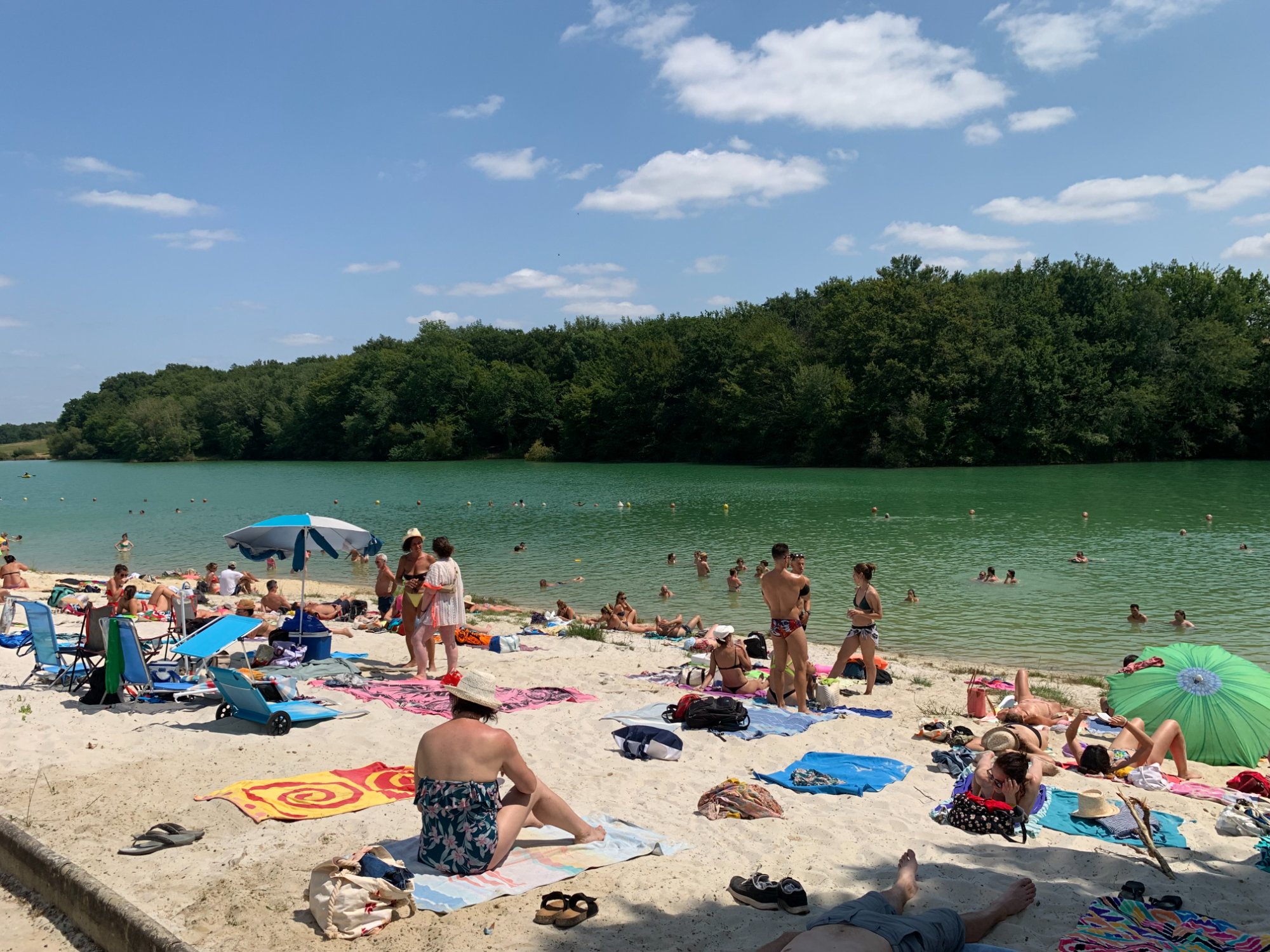
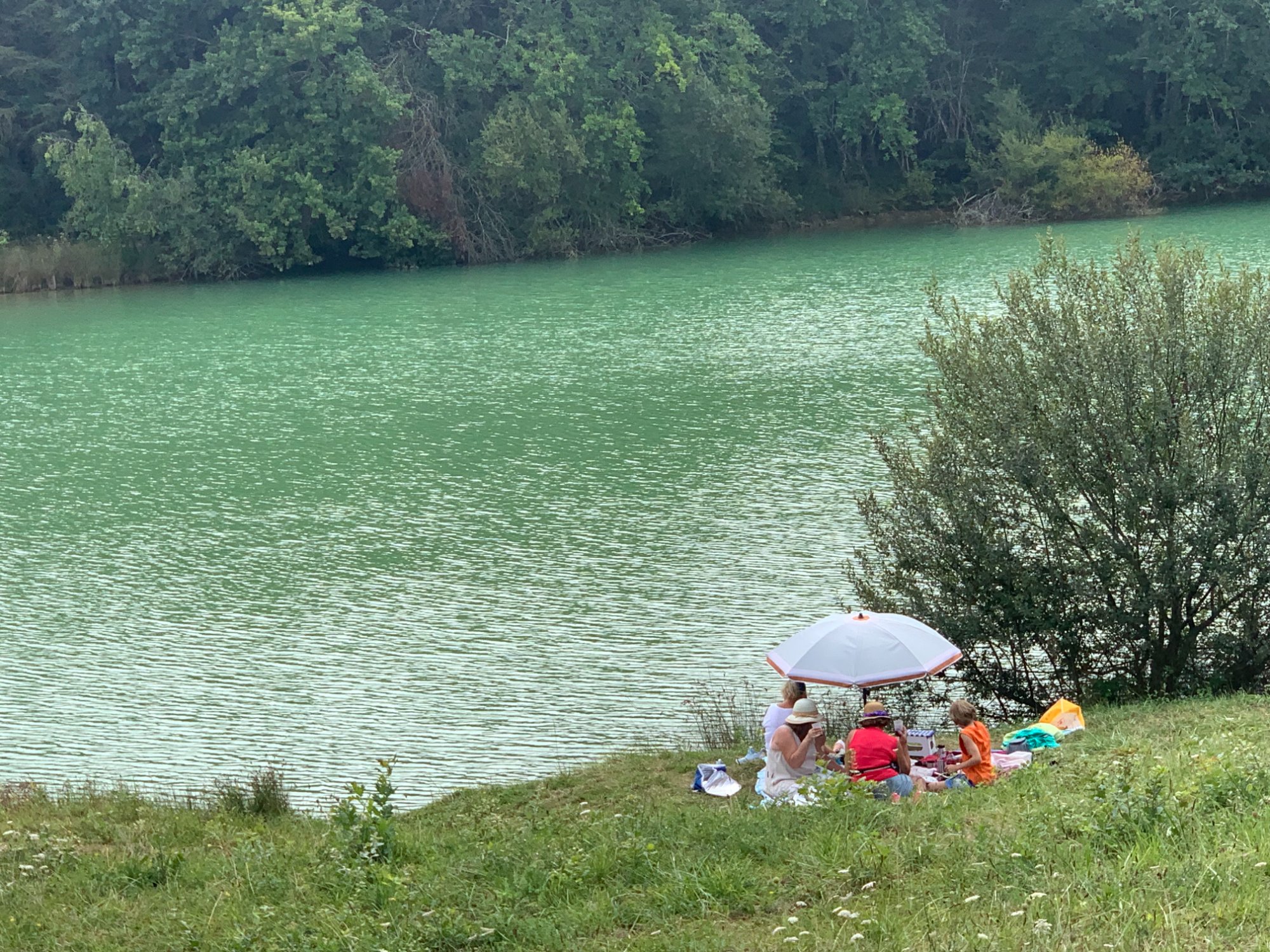
The afternoon is free — and the Gers summer heat earns it. The château's pool is an obvious answer, but if you want to venture out, the lake at Lupiac (14 minutes) is one of the loveliest in the area: a proper sandy beach, clear green water, and the unhurried atmosphere of locals who know a good thing when they've found it. The lake at Aignan (10 minutes) is another option — calmer, with more shade along the banks. Either makes for a perfect digestif to a long Gascon lunch.
Day 4 — Exotic Gardens, an Exceptional Lunch, and Armagnac Estates
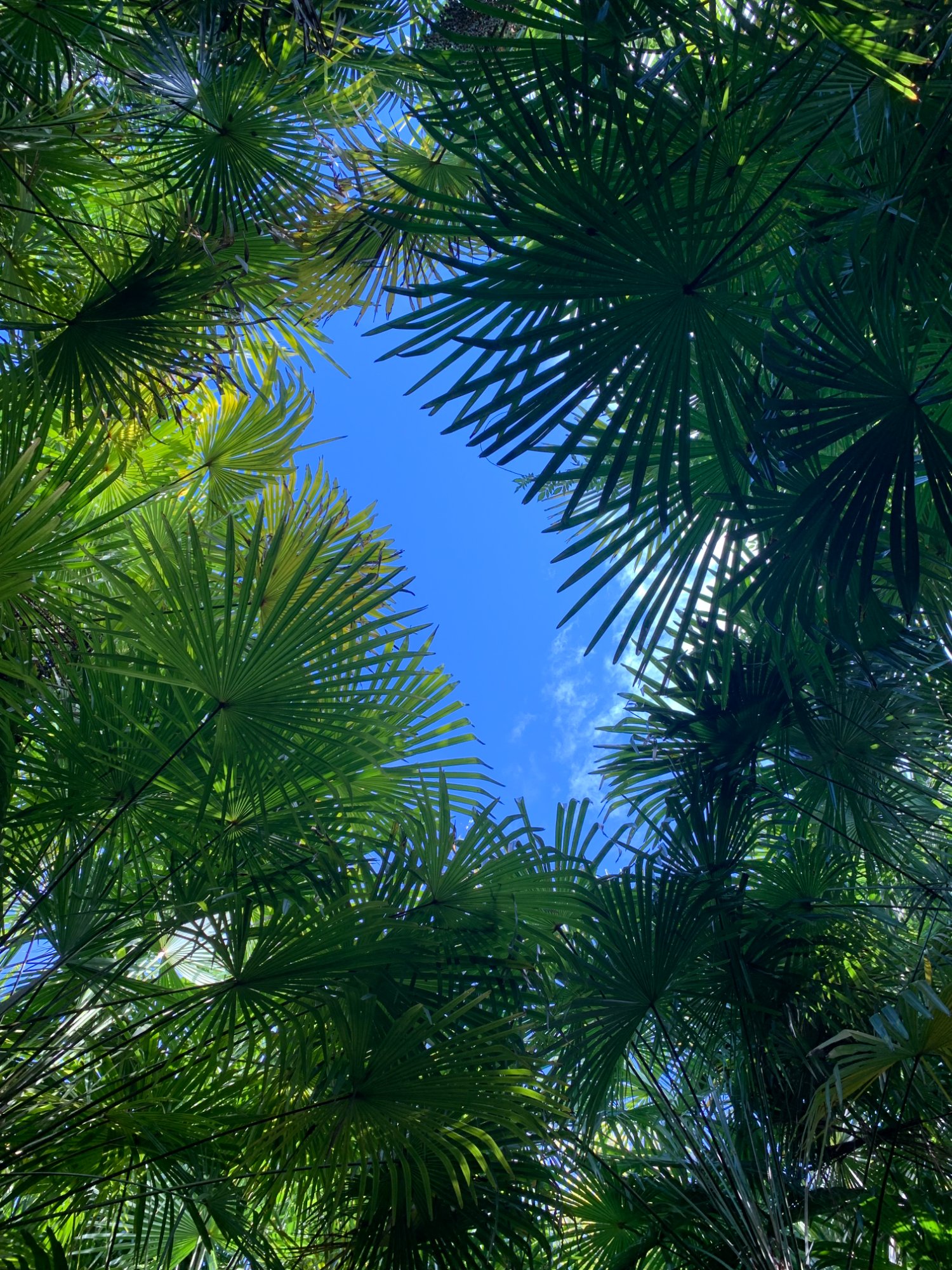
Start the morning at the Palmeraie du Sarthou — a remarkable 8-hectare exotic garden in Bétous, 12 minutes from the château. Classified as a Jardin Remarquable, it is one of the true surprises of the Gers: hundreds of palm varieties, a tropical greenhouse, bamboo groves and lotus ponds, sculptures by contemporary artists, and a restored Gascon farmhouse at the centre. Budget two to three hours. Open April to November; confirm by phone before you go (05 62 09 01 17).
For lunch, La Ferme aux Buffles in Aignan — 12 minutes from the château — is the most distinctive restaurant in our immediate area. The chef trained in Paris before settling here with a buffalo farm; the menu is built around the animals and produce he raises. The wine and Armagnac selection — particularly the latter — is one of the best curated in the area. This is the restaurant to visit if you want to try a serious aged vintage Armagnac in the right surroundings. Book well in advance.
Spend the afternoon visiting local Armagnac estates: Domaine de Sabazan (14 minutes), La Maison Gascogne (15 minutes), and the Plaimont boutique in Aignan (10 minutes). See our Gourmet Sources page for details on each.
Day 5 — Morning Market, a Medieval Abbey, and the Sentier de la Baïse
Best on a Monday
Start at the Aignan Monday morning market. Ten minutes from the château: local farmers, a good butcher, seasonal produce, honey, flowers. Buy provisions for the day.
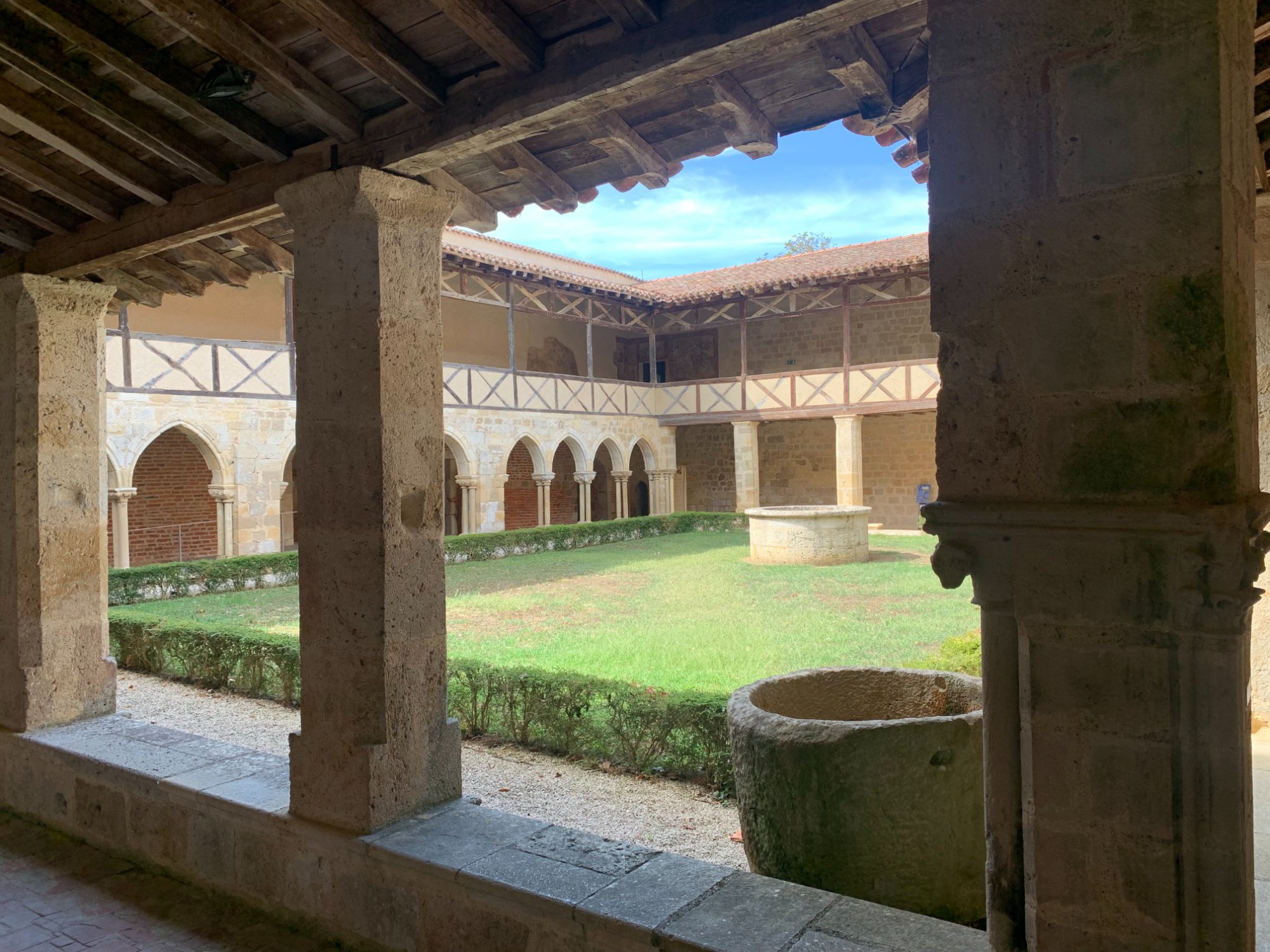
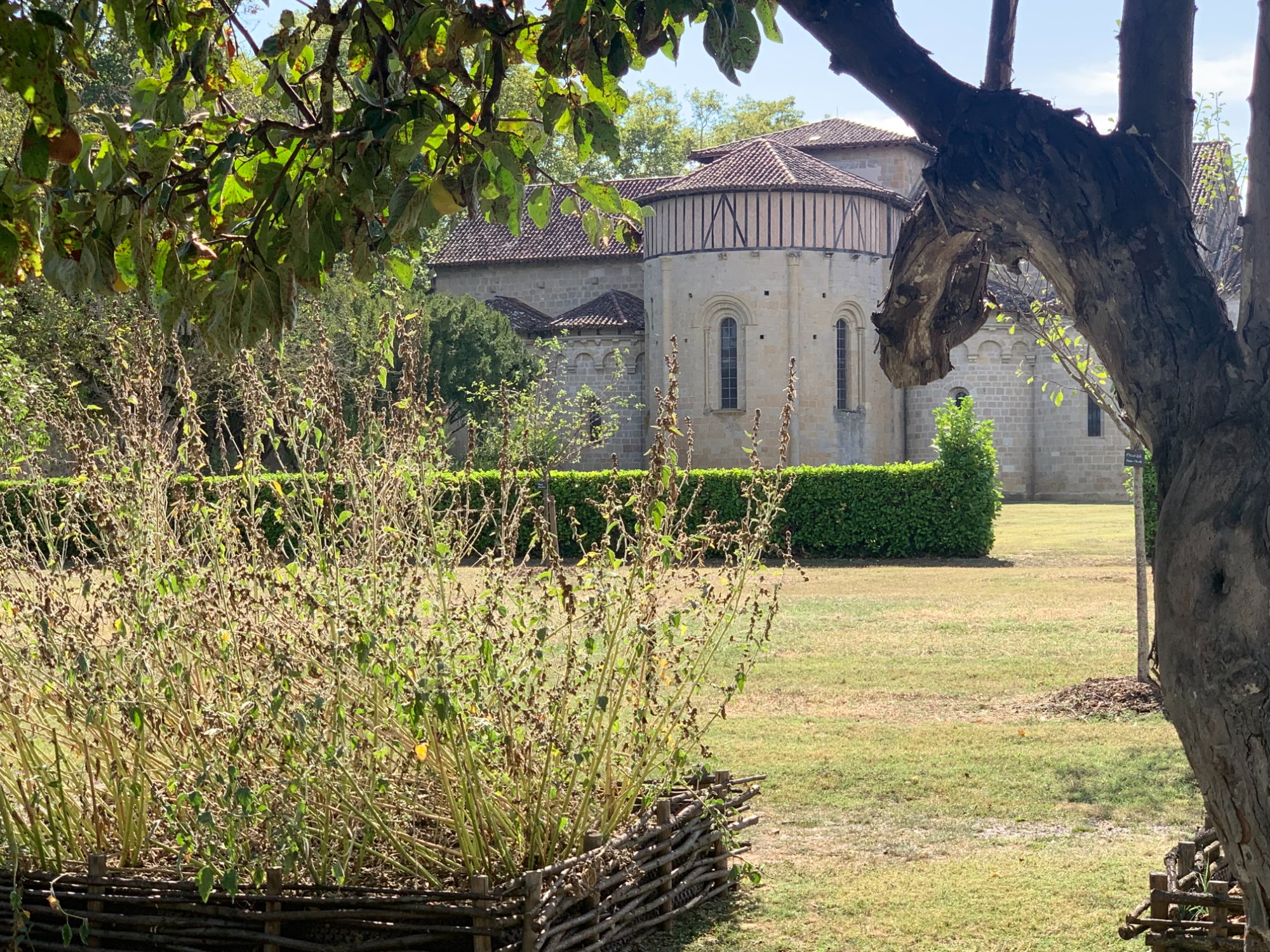
Drive 30 minutes to the Abbaye de Flaran at Valence-sur-Baïse. Founded in 1151 by Cistercian monks, it is one of the best-preserved medieval abbeys in south-west France. What surprises almost every visitor is what's upstairs: the former monks' dormitory houses the Simonow Collection — a private art collection containing works by Rubens, Monet, Renoir, Cézanne, Picasso, Braque, Rodin, Toulouse-Lautrec, and Dalí. To find paintings of this quality in a rural Cistercian abbey in the Gers is so unexpected that first-time visitors often stand still for a moment, recalibrating. Allow at least an hour and a half.
Lunch at La Barge, a riverside guinguette on the banks of the Baïse at Valence-sur-Baïse. Open May to September, it serves grilled dishes and local wine at tables on a shaded terrace directly above the water. One of the most pleasant places to eat a good lunch in the Gers. Open May to September only.
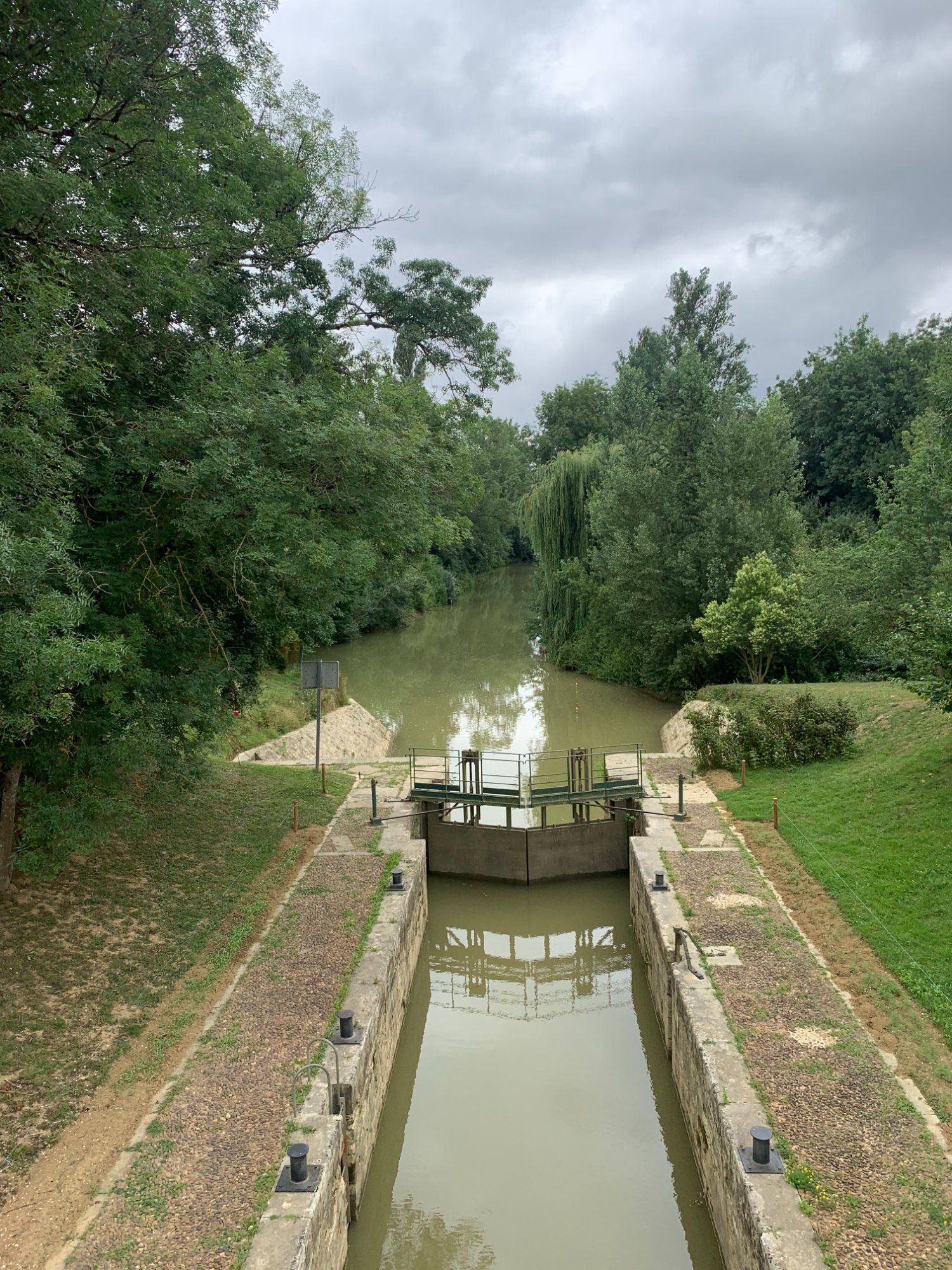
After lunch, walk the Sentier de la Baïse — or as much as you feel like. The path follows the old 19th-century towpath along the Baïse between Valence-sur-Baïse and Condom, 11 kilometres in total, passing through the Flaran abbey grounds and reaching the remarkable Graziac double lock: a manually operated staircase lock built in 1850, two chambers of cut stone dropping 4.5 metres, still operated by lock keepers from April to October. The path is flat, shaded, and entirely without motor traffic.
A few practical notes
- Restaurants in rural Gascony often close between lunch and dinner service. Plan to eat at 12:30 for lunch and 19:30 for dinner.
- Many smaller Armagnac estates don't have formal opening hours; a phone call the day before is always appreciated and rarely refused.
- The Jardins de Coursiana are open afternoons only on weekdays (14h–18h) and Saturday mornings (10h–16h); closed Sundays. Open April to late October.
- The Palmeraie du Sarthou is closed November to March; confirm opening times by phone (05 62 09 01 17) before your visit.
- La Barge at Valence-sur-Baïse is open May to September only.
- If you want to visit Auch — the departmental capital, with its extraordinary Gothic cathedral — add half a day. It's 45 minutes east and worth an early morning visit before the heat builds.
- Our full Activities page has a complete list of producers, restaurants, and things to see with distances from the château.
Five days in the Gers, done properly, tends to produce a particular mood: slower, warmer, more reluctant to look at a phone. We consider that a success.