
The Gers has a disproportionate number of remarkable villages for a region so little visited.
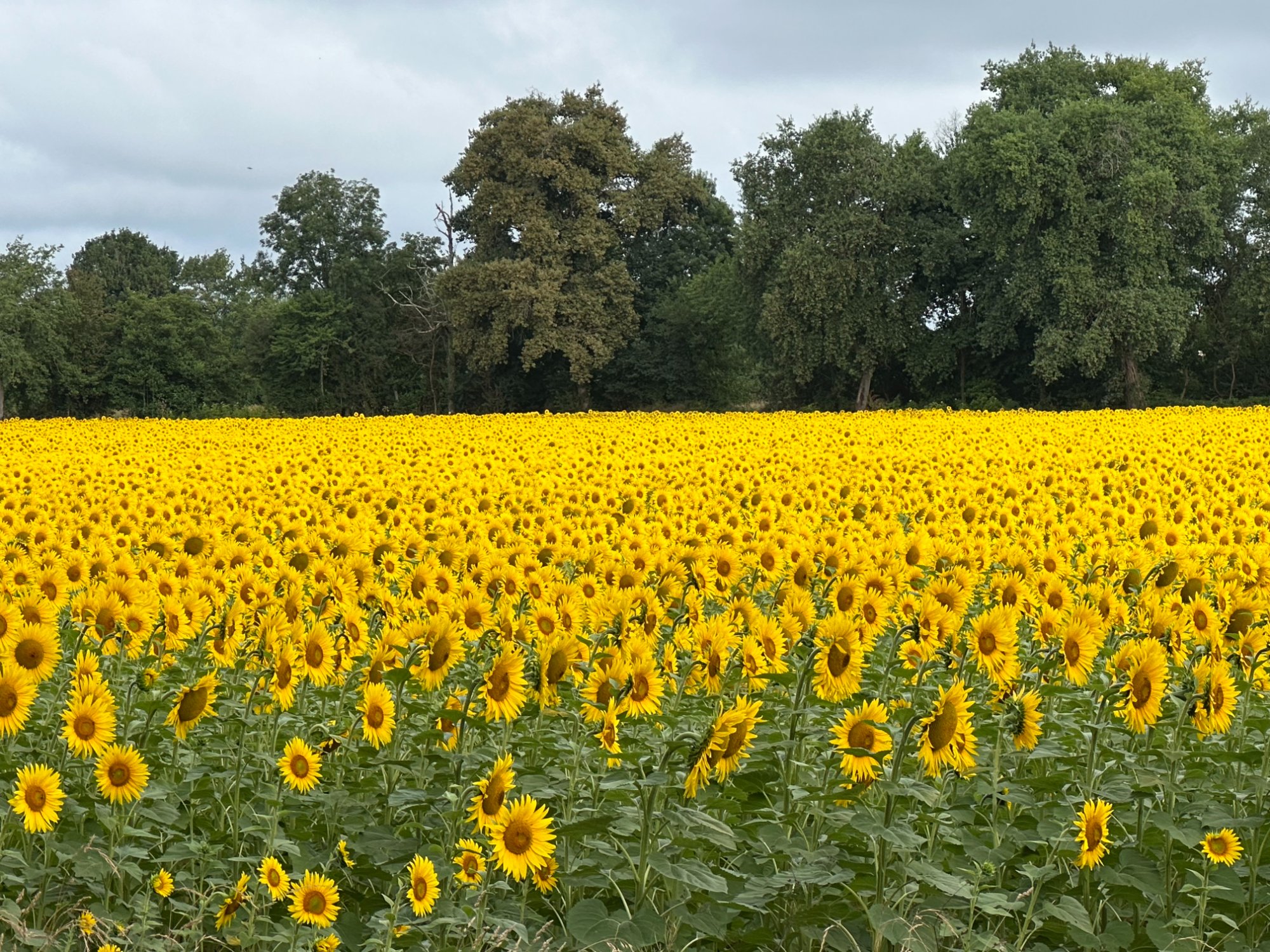
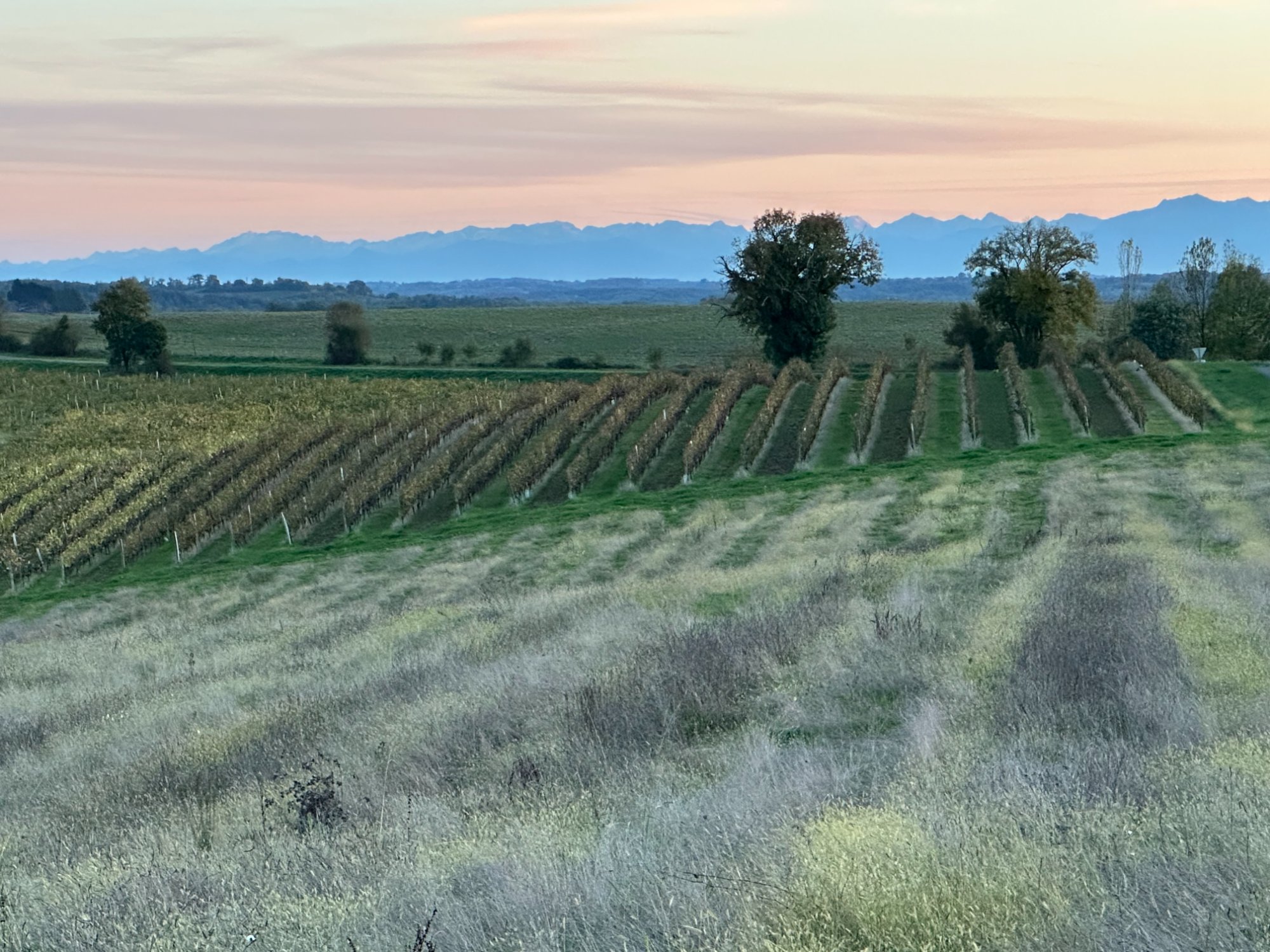
While the Dordogne to the north and Provence to the east draw their millions, the medieval market towns and hilltop villages of Gascony welcome a fraction of those visitors — and are all the more extraordinary for it. You can stand in Larressingle's Romanesque church on a Tuesday afternoon with no one else in sight. You can photograph the circular market square at Fourcès without another camera in frame. The light here is different, too — softer, more golden, filtered through the dust of sunflower fields and the haze of Armagnac country.
This is our guide to the villages within easy reach of Château de Séailles that we recommend most often — and most genuinely.
At a glance — distances from Séailles
- Aignan — our local market town10 mins
- Eauze — capital of Armagnac15 mins
- Lupiac — birthplace of d'Artagnan20 mins
- Larressingle — the fortified village35 mins
- Lavardens — the hilltop castle35 mins
- Montréal-du-Gers — the bastide35 mins
- Ordan-Larroque — rare plants and ancient finds40 mins
- Tillac — medieval preservation40 mins
- La Bastide d'Armagnac — the royal bastide40 mins
- Fourcès — the round village45 mins
- La Romieu — cloisters and cats45–55 mins
- Condom — the episcopal city45 mins
Larressingle — the fortified village
35 minutes from Château de Séailles
If you visit only one village during your stay, make it Larressingle. Enclosed within a complete circuit of 13th-century walls, Larressingle is widely regarded as the smallest fortified village in France. It is tiny — perhaps a dozen houses, the ruins of a château keep that once served the Bishops of Condom, and a beautiful fortified Romanesque church — and almost impossibly intact. The stones of the ramparts are original, the crenellated towers still sharp against the sky. The narrow gateway through which you enter, across a small bridge over a dry moat, has been greeting pilgrims and travellers for eight hundred years.
Step through that gate and you feel the temperature drop. The walls hold the cool of the morning well into the afternoon. Swallows nest in the stonework above. Inside, the village is barely larger than a courtyard — the kind of place where every sound carries: your footsteps on the cobbles, the creak of a shutter, a conversation drifting from an open window. The church, with its contemporary stained-glass windows installed in 1993, catches the light in colours that seem to belong here — vine-green, gold, the deep blue of a Gers evening.
The Via Podiensis pilgrimage route passes through here, exactly 1,000 kilometres from Santiago de Compostela. The Lartigue bridge just outside the walls — a UNESCO World Heritage Site, and one of the last Romanesque bridges still standing — has marked this crossing of the Osse since the 12th century. The bridge, the river, the fortified silhouette above: it is the kind of view that makes you reach for your phone and then put it away again, because you know the photograph won't be enough.
L'Estanquet, the restaurant just outside the walls, is simple, good, and serves in the shade of a terrace with the fortifications directly in view. Order the confit and a glass of something local. A perfect lunch stop.
Fourcès — the round village
45 minutes from Château de Séailles
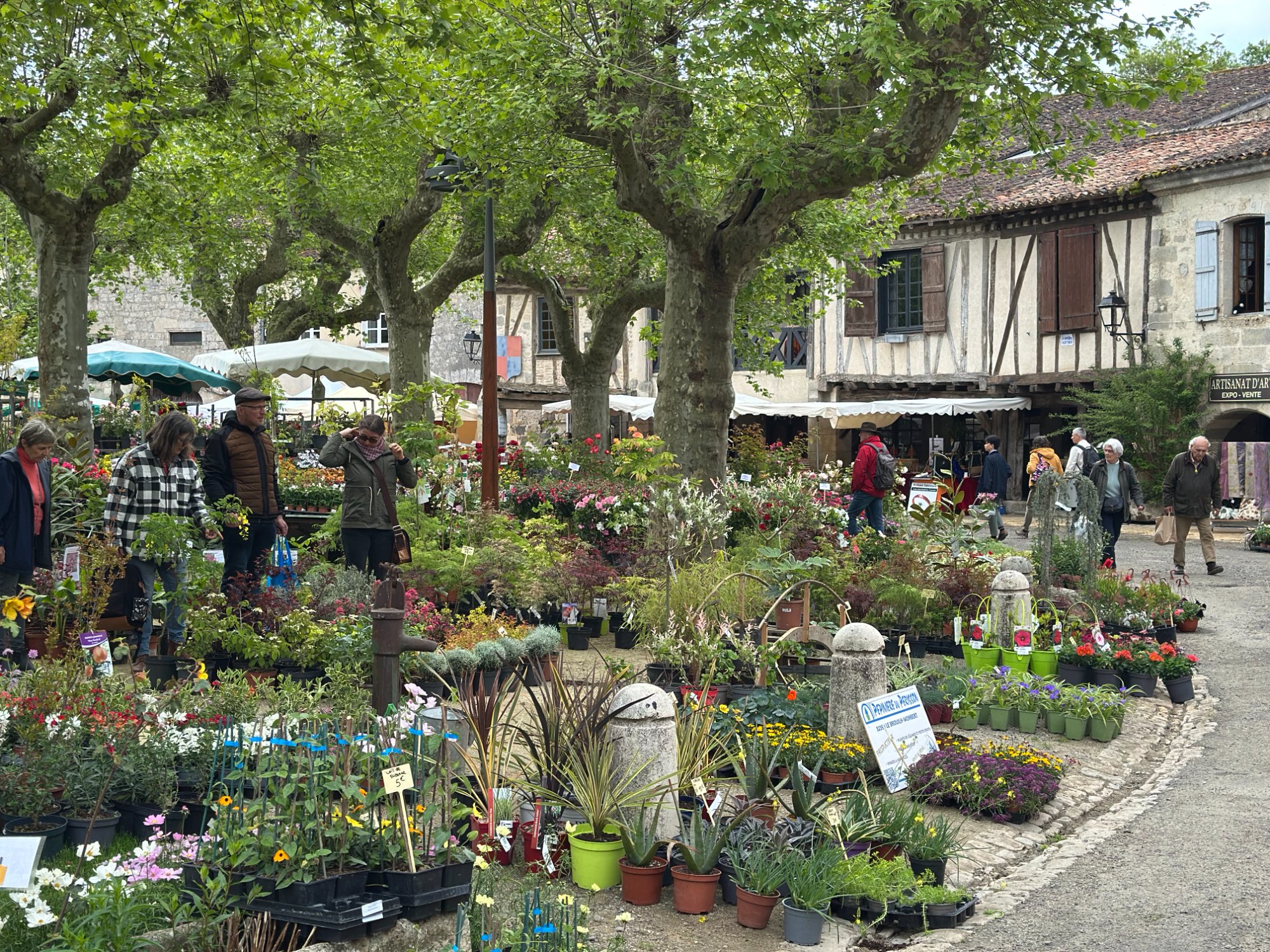
Fourcès is unlike anything else in Gascony. Its market square is circular — the only round bastide in the region — surrounded by half-timbered houses on arcaded ground floors, the whole thing centred on a fountain and shaded by plane trees whose canopy, in full leaf, forms an almost unbroken ceiling of green. It is immediately, almost preposterously picturesque.
Walk under the arcades and run your hand along the oak beams. Some of these houses date to the 13th century; their timbers are dark with age, their plaster faded to the colour of old linen. The ground floors were built for commerce — market stalls, workshops, the business of a small medieval town — and the arcade shadows still have that quality of purpose about them, even now. You half-expect to hear a blacksmith at work.
Our favourite times to visit are for the gently festive monthly brocante markets and the spectacular — and rightly popular — annual plant festival on the last weekend of April, when the round square fills with colour and scent and the whole village takes on the atmosphere of a garden party.
Fourcès sits on the Auzoue river, and the château at the village's edge (privately owned but visible from the lane) looms over a bend in the water. On a warm afternoon in June, when the wisteria is out over the café terrace and the square is dappled in shade, this is one of the most genuinely beautiful places in France.
La Romieu — cloisters and cats
45–55 minutes from Château de Séailles
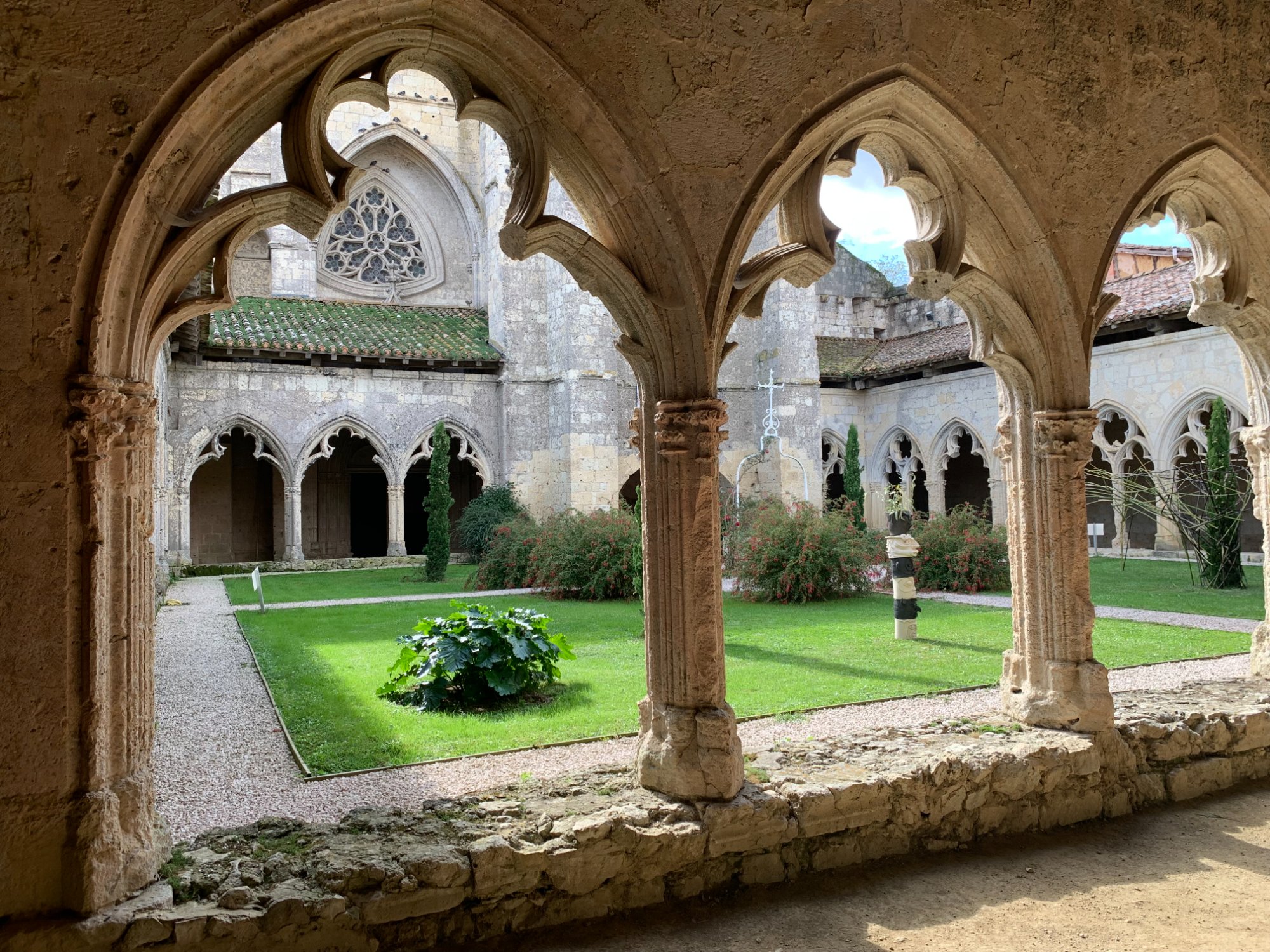
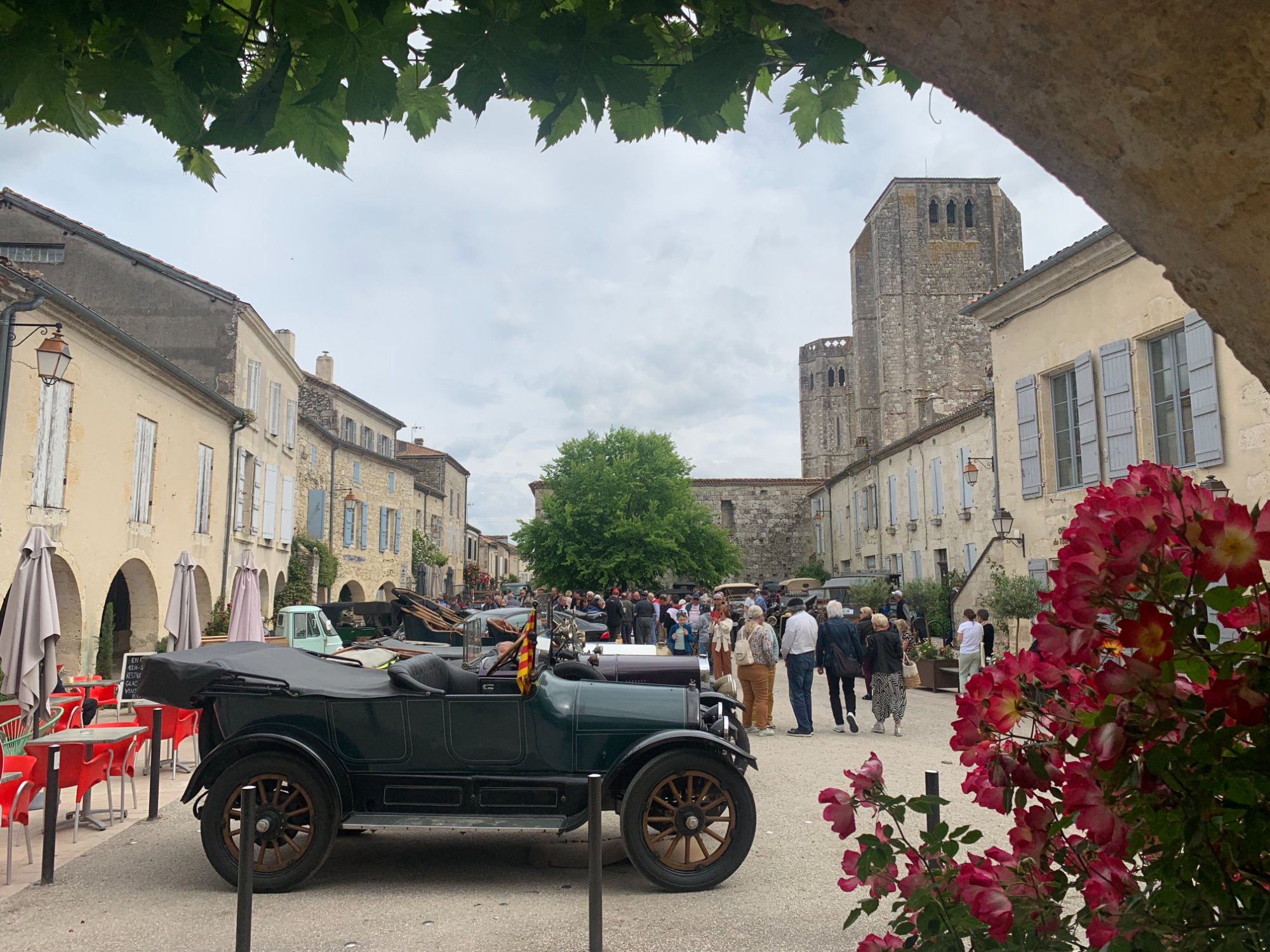
La Romieu is a stopping point on the pilgrimage route to Santiago, and its collegiate church of Saint-Pierre is one of the architectural surprises of the Gers: enormous for a small village, with beautiful 14th-century Gothic cloisters, an octagonal tower you can climb for views across the rooftops and rolling hills, and remarkable medieval frescoes in the sacristy — painted in ochre, red, yellow, and black, with strange esoteric motifs and dark angels that have survived seven centuries.
The cats: the village has a charming legend about a girl named Angéline who, during a great famine in the 14th century, secretly hid two cats while the rest of the village's cats disappeared. When the hard times passed and rats overran the harvest, Angéline revealed her hidden colony — some twenty cats by then — and they saved the village. Stone and bronze cat sculptures now appear throughout the village in tribute to her. Children love hunting for them.
The Jardins de Coursiana, just 800 metres from the collegiate church, are worth combining into your visit: six hectares of remarkable botanic gardens with views across the Gers hills. The combination of the cloisters and the gardens makes La Romieu a very full half-day.
Lavardens — the hilltop castle
35 minutes from Château de Séailles
Lavardens is built around a château that sits dramatically on its hilltop, visible from miles away across the rolling farmland. The castle has 12th-century origins as a fortress of the Counts of Armagnac, but the building you see today was largely rebuilt in the 17th century by Antoine de Roquelaure, a companion of Henri IV, as a love offering for his young wife. It was never finished — a plague devastated the village, and the elegant stone vessel has stood frozen in its state of construction ever since. The result is strangely moving: a grand château de plaisance that is both magnificent and incomplete, its whisper room (the Salle d'Écho) still working perfectly after four hundred years.
The château hosts well-curated seasonal art exhibitions, and the real reward is the view from the terrace — across the hills toward the distant Pyrénées on a clear day. The restaurant below the château is worth planning lunch around: good Gascon cooking, a shaded terrace, and the sense that you have wandered into a village that time has treated gently.
Montréal-du-Gers — the bastide
35 minutes from Château de Séailles
Montréal-du-Gers is a classic Gascon bastide — a planned medieval market town built on a grid, with a central arcaded square, a collegiate church, and the kind of quiet dignity that comes from eight centuries of uneventful prosperity. The nearby Gallo-Roman villa of Séviac is one of the finest Roman mosaic sites in south-west France: 625 square metres of floor mosaics, the largest collection preserved in situ in France. The combination of the bastide and Séviac makes Montréal the destination of choice when guests want to understand this land's deep history in a single afternoon.
Eauze — the capital of Armagnac
15 minutes from Château de Séailles
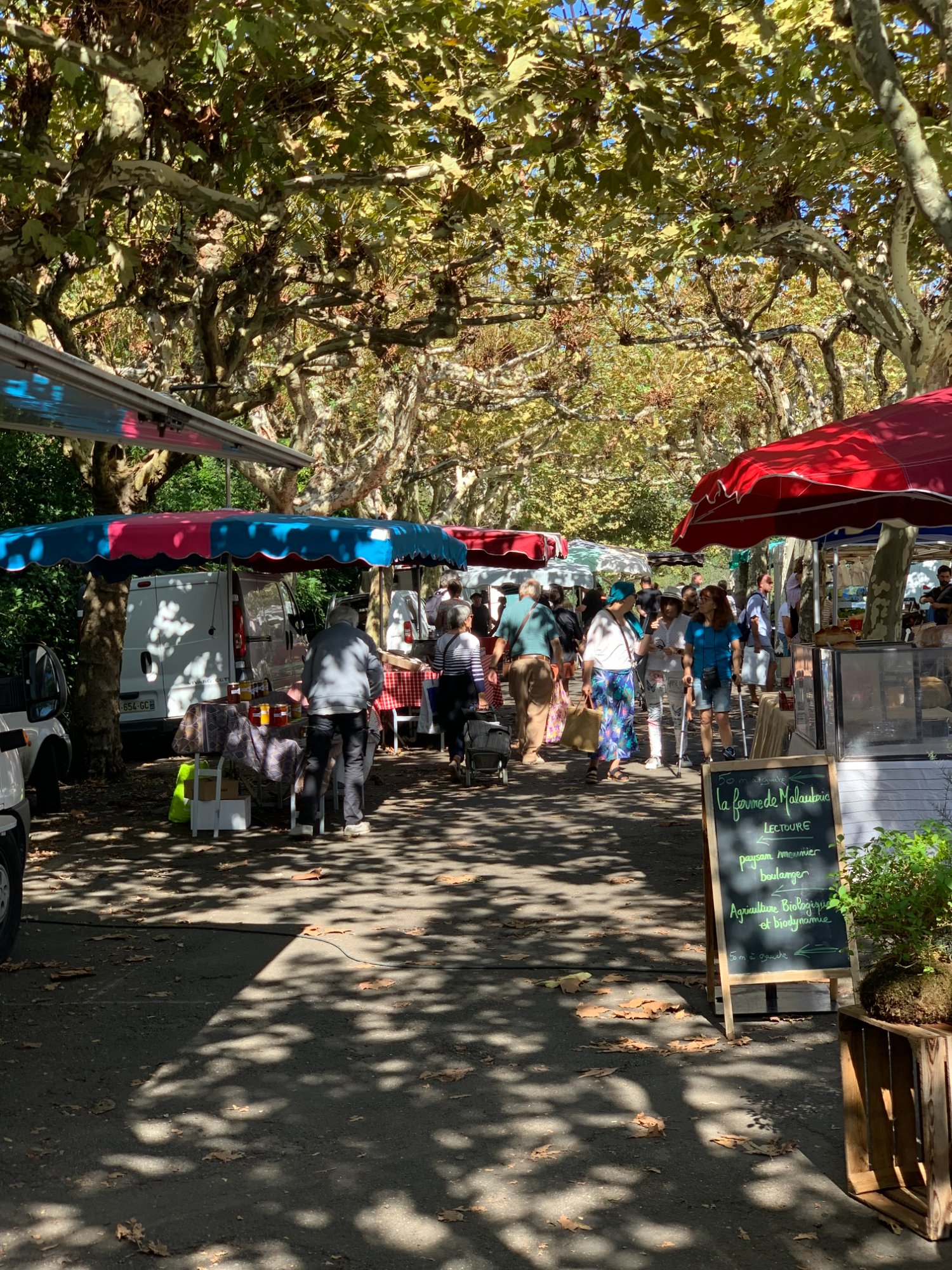
Eauze is not a village — it's a small town — but it belongs on this list because of its extraordinary combination of a working medieval square, the Thursday market, the Roman treasure museum, and the Armagnac tasting rooms that line the streets around the cathedral of Saint-Luperc. The treasure museum alone — more than 28,000 Roman coins and some fifty pieces of jewellery unearthed near the old railway station — is worth the visit.
But it is Thursday morning that we recommend most. The market fills the square and the surrounding streets with the sounds and smells that define the Gers: duck fat sizzling on a plancha, the sharp scent of chèvre still cool from the farm, tomatoes warm from the morning sun, baskets of cèpes in autumn. Stallholders call to each other in a French that still carries the rhythm and rounded vowels of Gascon. It is not a market performing for tourists. It is the real thing, and you will know the difference immediately.
The Thursday morning farmers' market in Eauze is our single strongest recommendation to every guest.
Lupiac — the birthplace of d'Artagnan
20 minutes from Château de Séailles
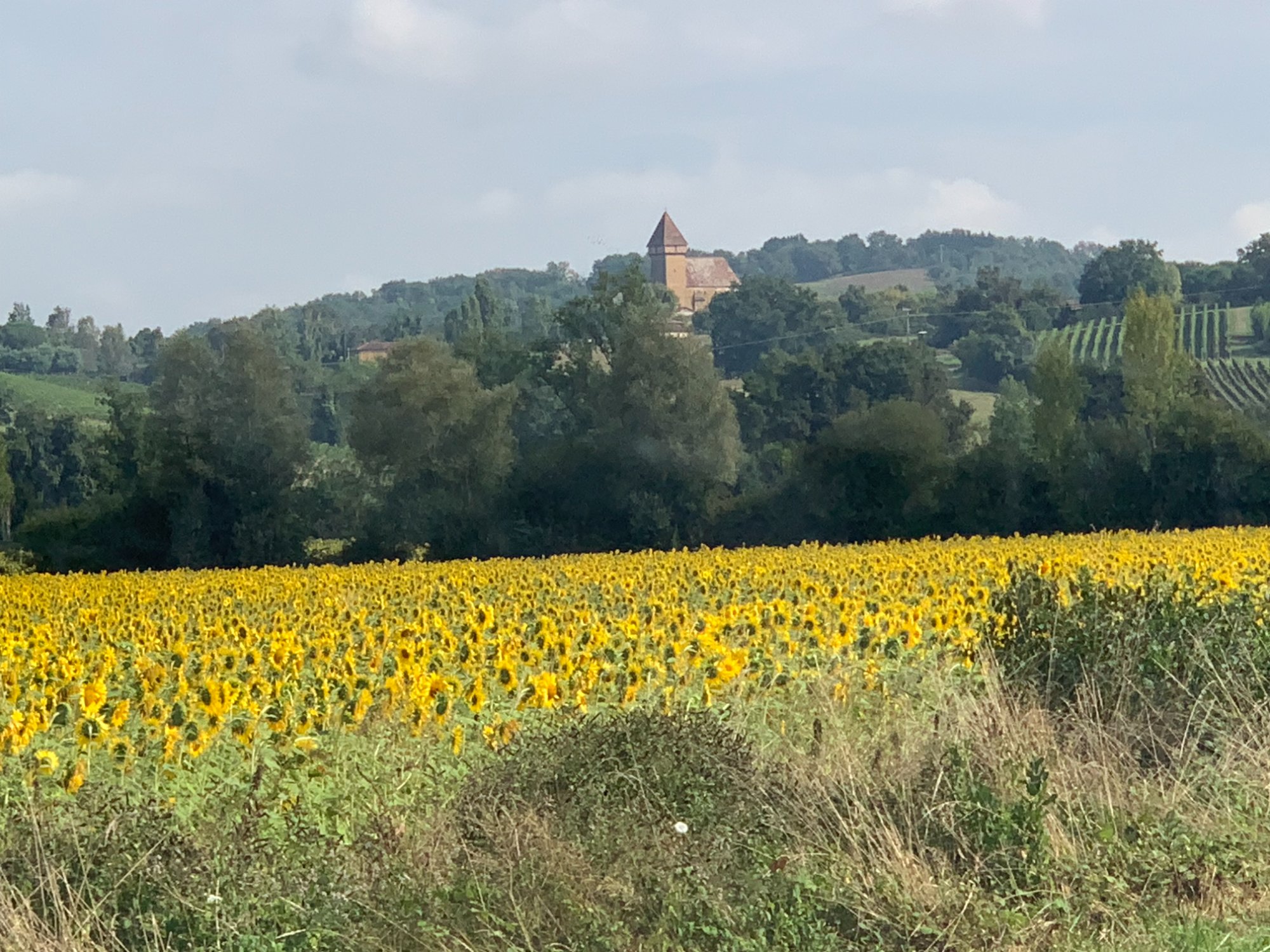
Lupiac is a small hilltop castelnau with arcaded houses, a 16th-century church, and a bronze equestrian statue of the most famous Gascon who ever lived: Charles de Batz de Castelmore, better known as d'Artagnan, was born here around 1613 at the nearby Château de Castelmore. The d'Artagnan museum, housed in the 15th-century Chapelle Saint-Jacques, traces his real life — more improbable and more thrilling, in places, than the Dumas novel it inspired. Every second weekend of August, the entire village transforms into a 17th-century fair, with five hundred costumed villagers, musketeers on horseback, and the kind of joyful local spectacle that the Gers does better than anywhere.
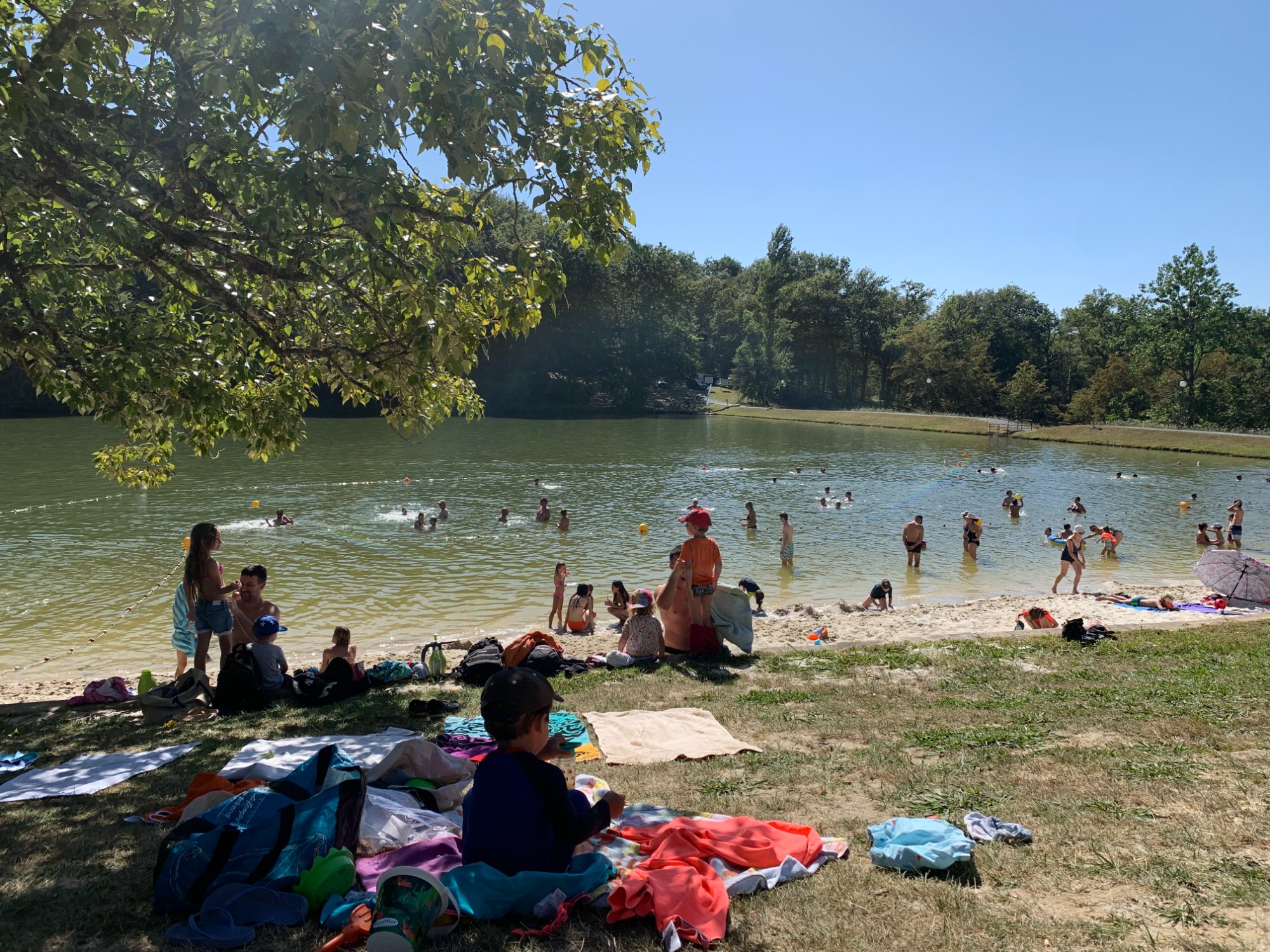
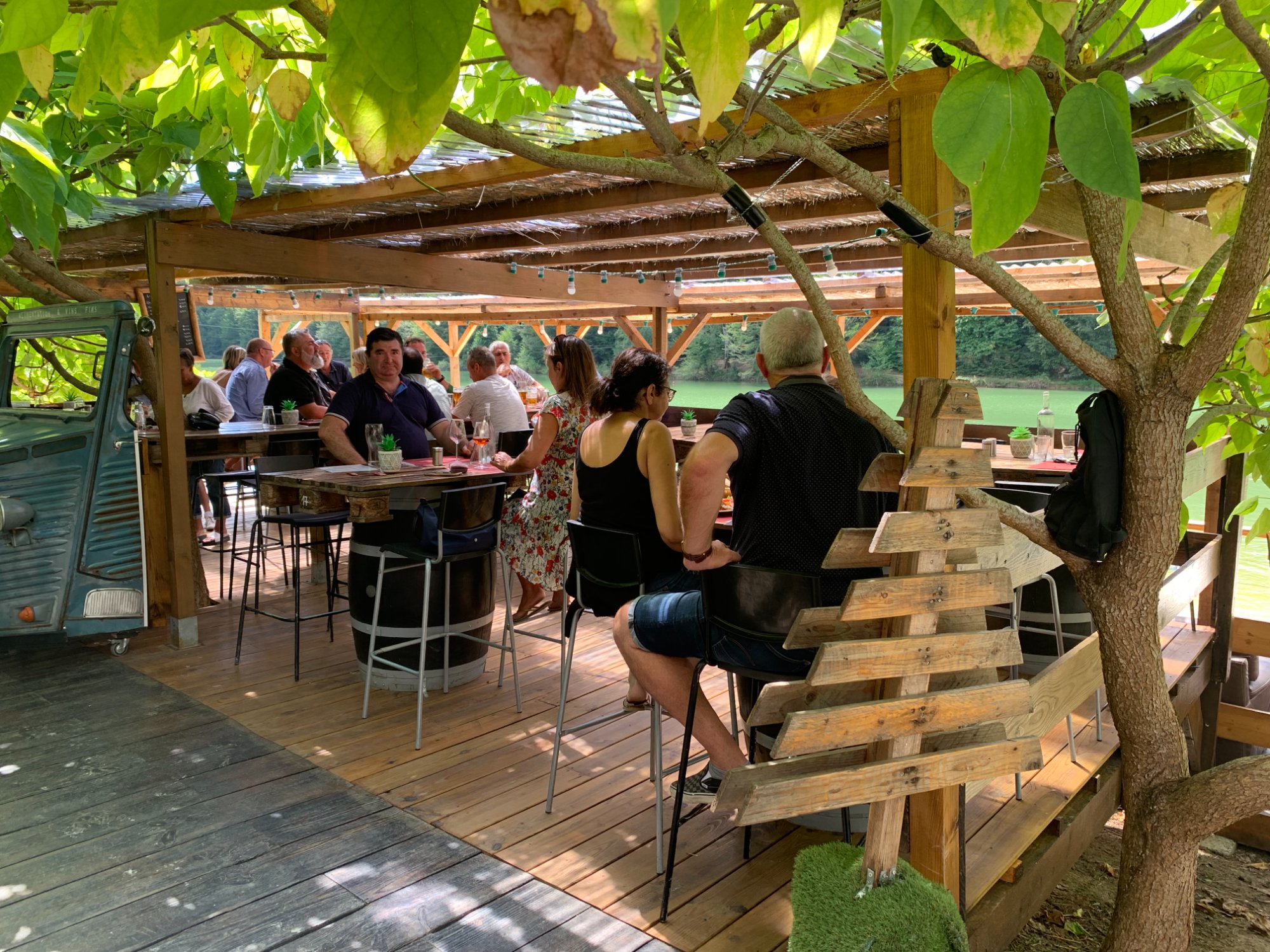
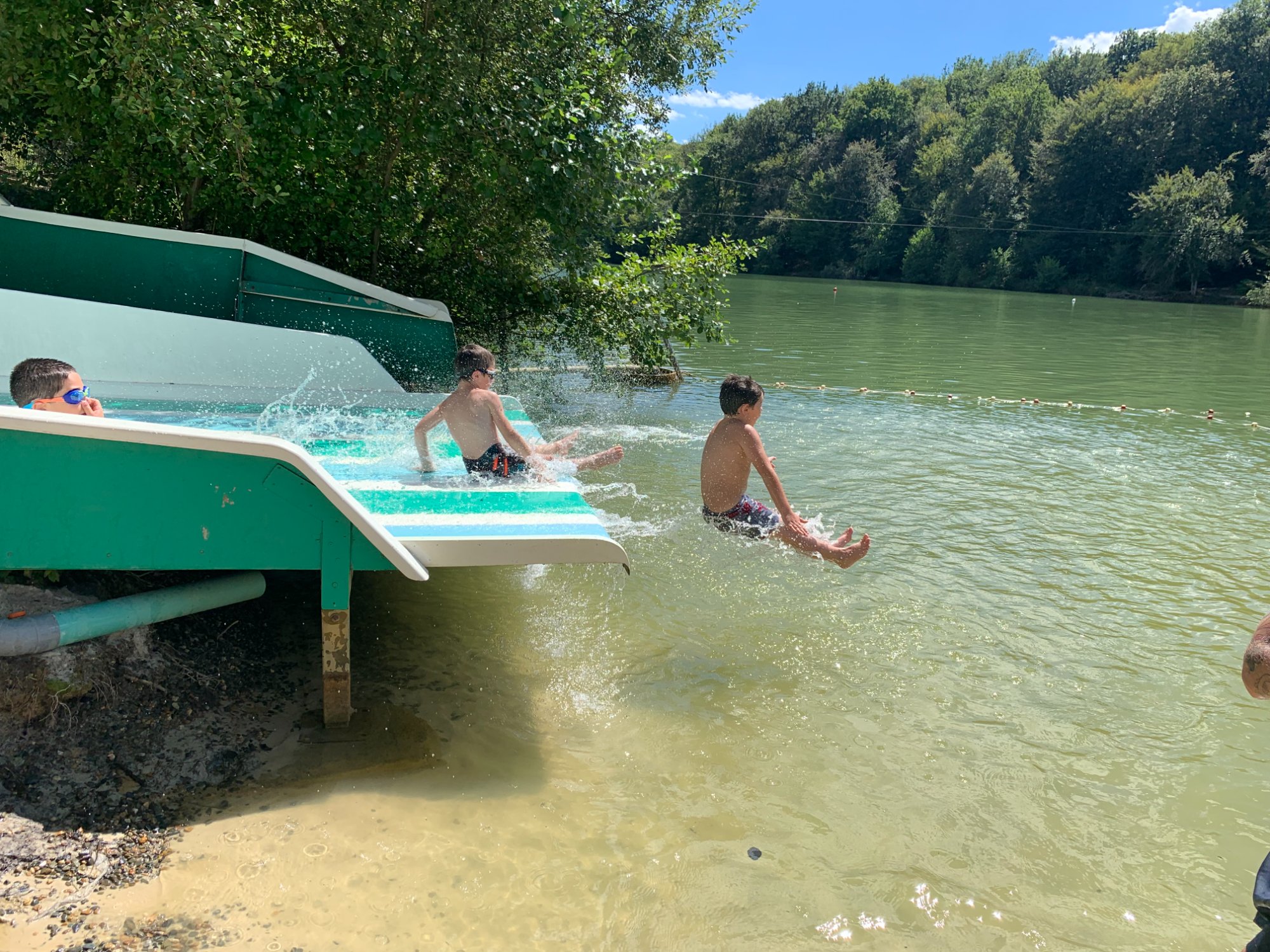
Below the village, the Lac de Lacoste is a quiet revelation: thirteen hectares of turquoise water set in rolling countryside, with free swimming, canoeing, and a guinguette on the waterside — the sort of place where you end up spending far longer than you planned, feet up, a glass of rosé in hand, watching the light change over the water. One of our favourite low-key afternoons in the Gers.
Ordan-Larroque — rare plants and ancient finds
40 minutes from Château de Séailles
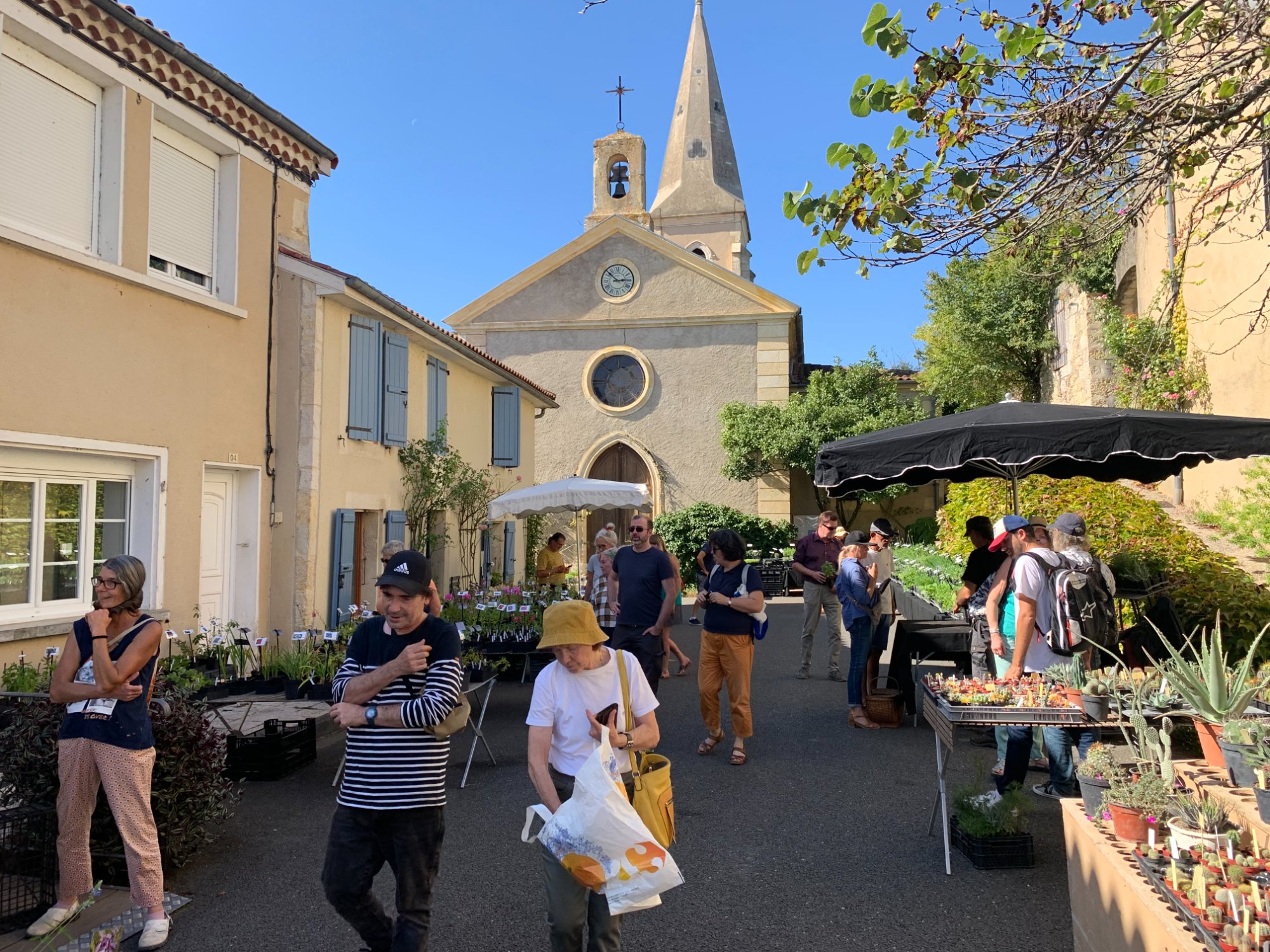
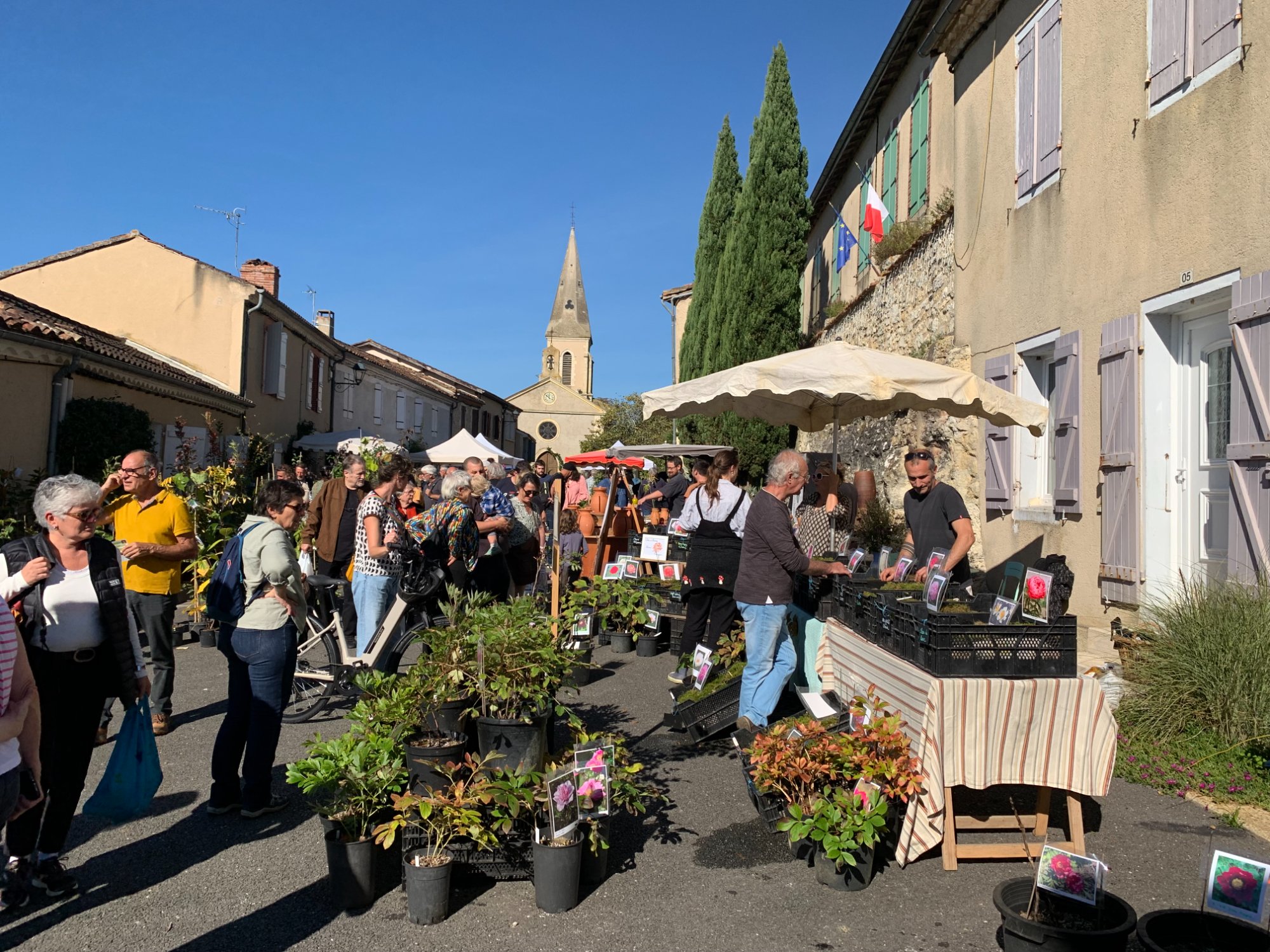
A pretty castelnau perched on a rocky spur, Ordan-Larroque is one of those villages the Gers hides in plain sight. It holds the rare distinction of four fleurs in the national fleurissement competition — the village takes its gardening seriously — and every second Sunday in October it hosts the Journée des Plantes Rares, a gathering of specialist nurseries and plant collectors that draws thousands of visitors from across the south-west. If you are here in autumn, it is not to be missed.
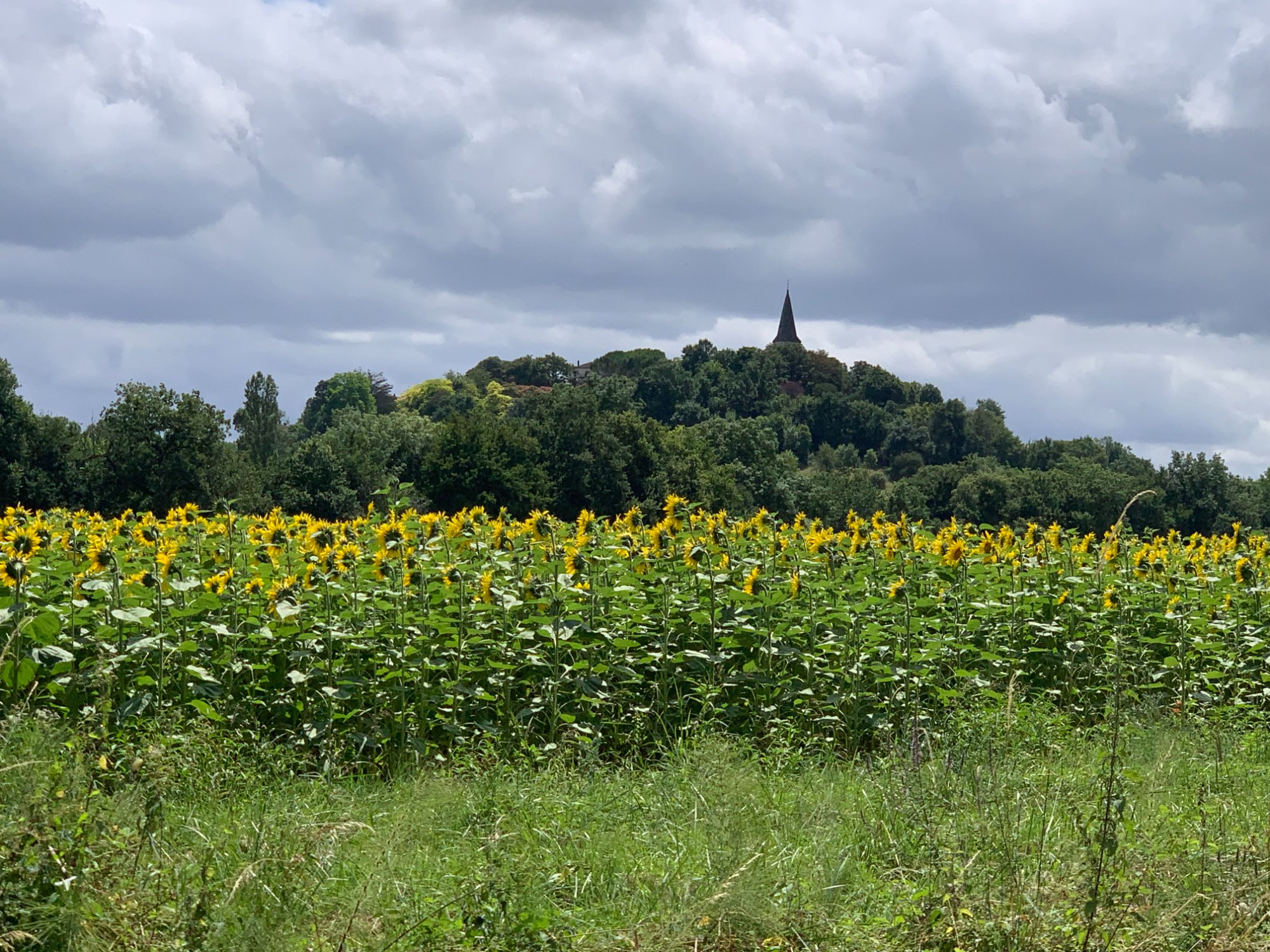
At the foot of the church, the Conservatoire Municipal d'Archéologie et d'Histoire is a small but absorbing museum of local finds — Gallo-Roman artefacts, neolithic tools, and curiosities spanning several millennia, presented with the kind of passion that only a village museum can manage.
La Bastide d'Armagnac — the royal bastide
40 minutes from Château de Séailles
A sleepy medieval village with a central square that is one of the most handsome in the region — dominated by an early Gothic church and lightly sprinkled with tea rooms, restaurants, and Armagnac tasting rooms. La Bastide d'Armagnac is a Royal Bastide with a real sense of history and weight, and the kind of stillness about it that rewards an unhurried visit. The Domaine de Luquet Armagnac producer is based here — worth combining the two.
Aignan — our local market town
10 minutes from Château de Séailles
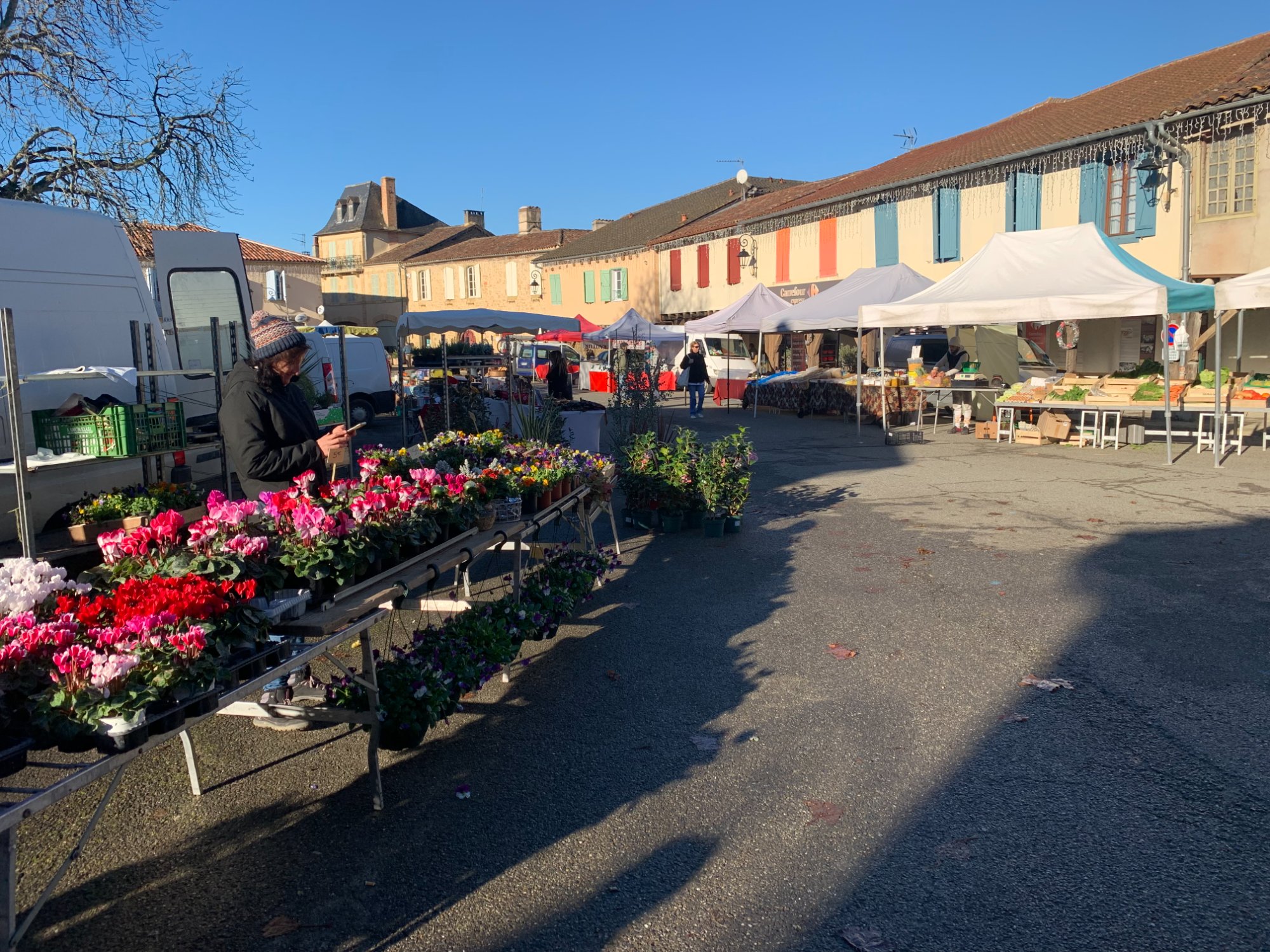
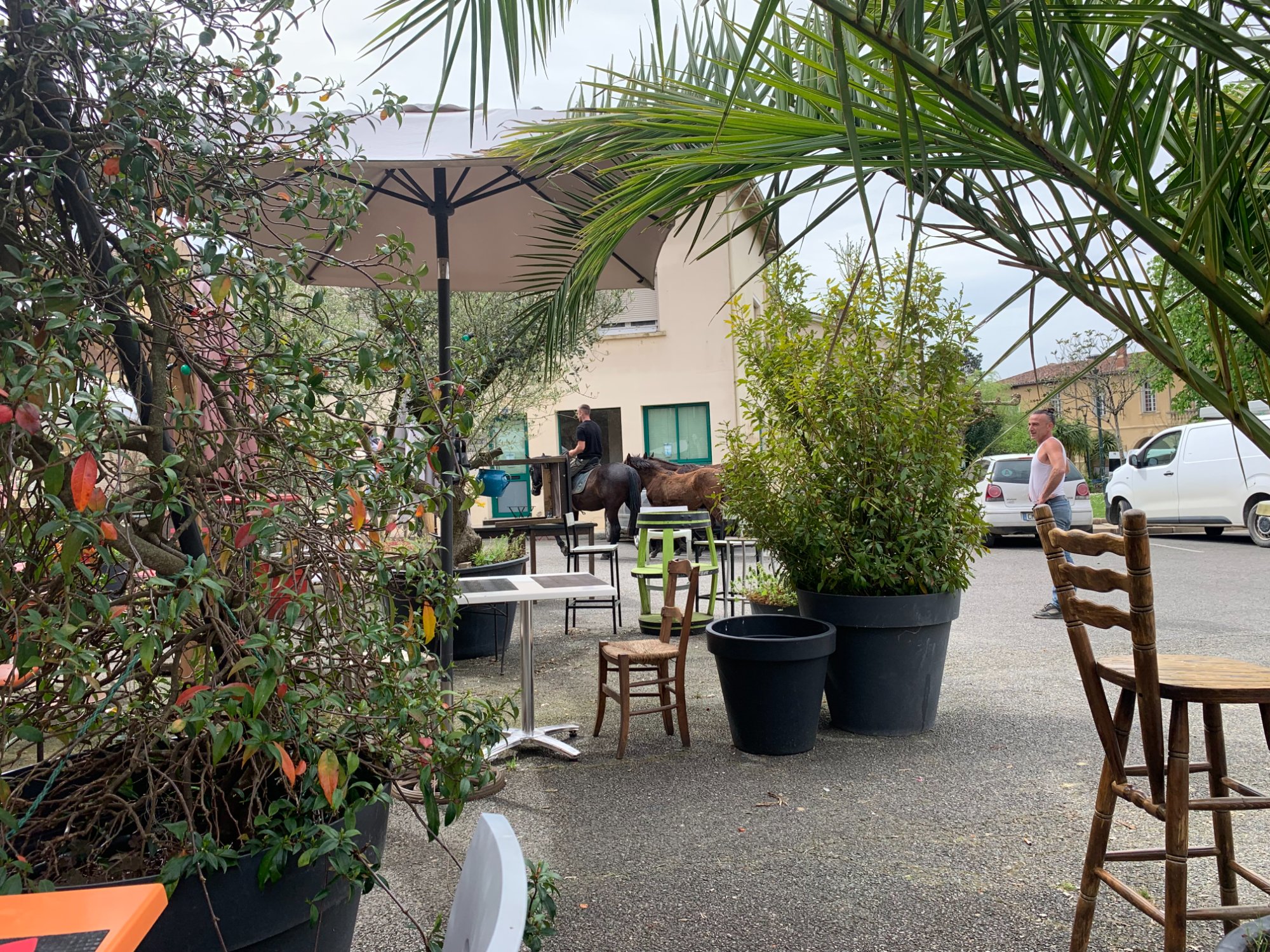
Not on any list of Gascon beauty spots, and all the better for it. Aignan is where we shop: Monday market, a good but diminutive grocery store, the Plaimont cooperative boutique for the best of the local wines, and three perfectly decent bistros where locals gather on weekday lunchtimes and the plat du jour comes with a carafe of Côtes de Gascogne that nobody thinks to charge very much for.
Aignan was the first capital of Armagnac, and you can still feel its quiet sense of self-importance. The church of Saint-Saturnin dates from the 11th and 12th centuries — one of the finest Romanesque churches in the area. If it looks more like a fortress than a church, that is because it was: battlements and a chemin de ronde were added in the 14th century, when the Black Prince's army passed through here in 1355.
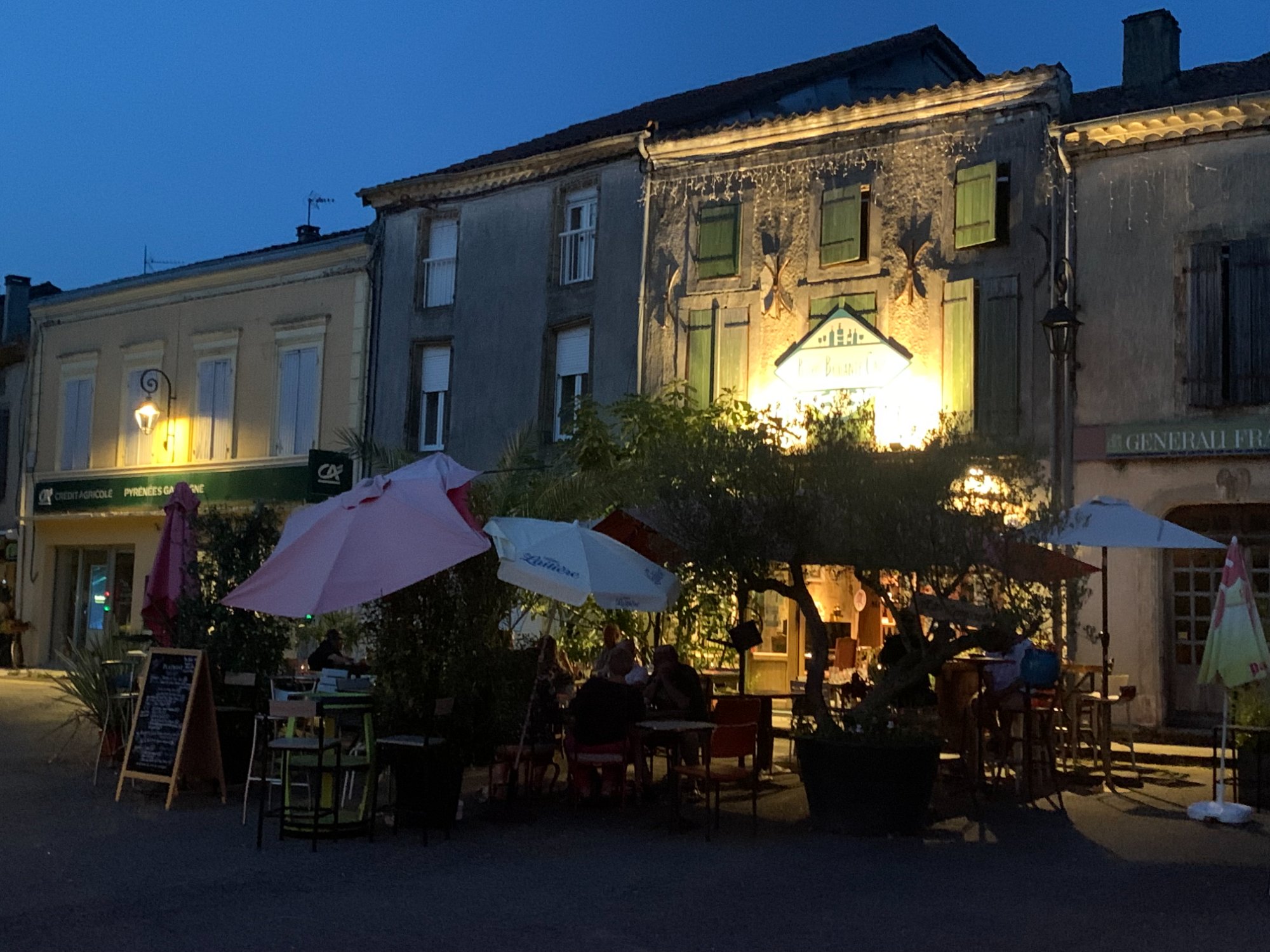
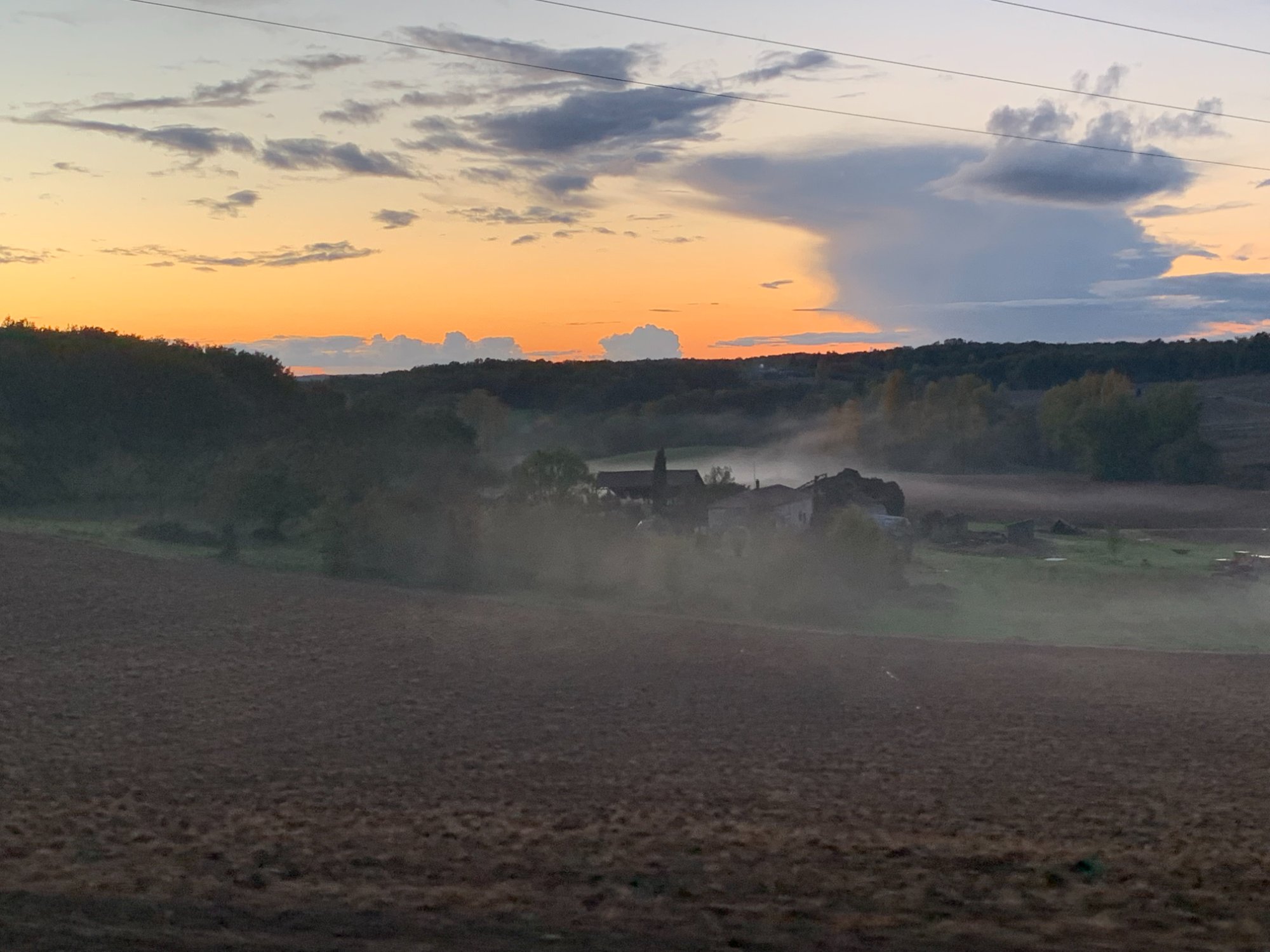
Just outside the village, Tomasella — the renowned local duck producer — has a fabulous boutique well worth the detour. The lake at Aignan has swimming in summer, a zip line, and the kind of unassuming pleasure that is the Gers in miniature: children splashing, families picnicking under the trees, and the feeling that this is a place people come to simply because they live here and it is a fine day.
When you're in Aignan on a Monday morning, nobody is performing for tourists. It is simply the Gers going about its business, which is reason enough to go.
Tillac — medieval preservation in miniature
40 minutes from Château de Séailles
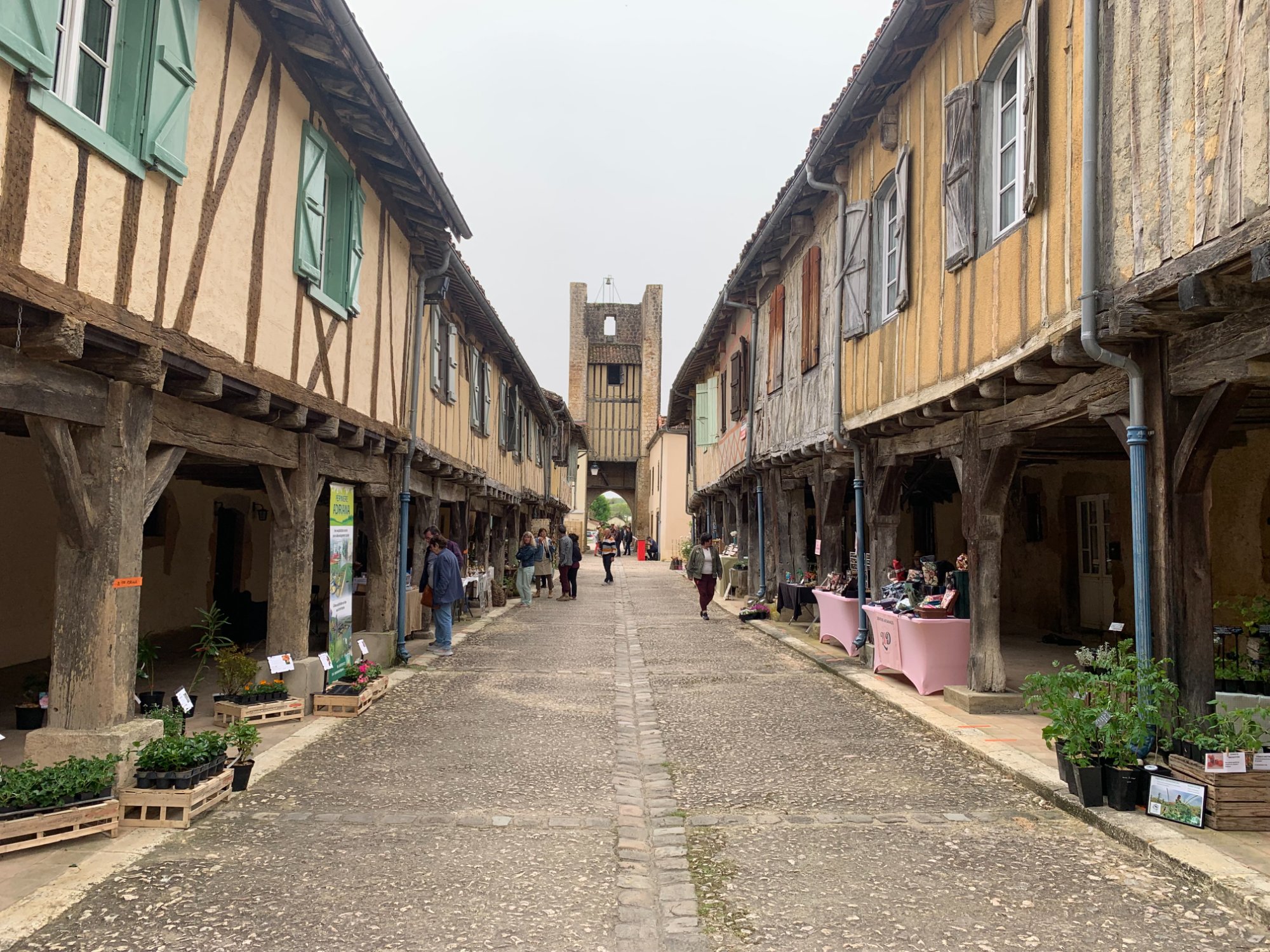
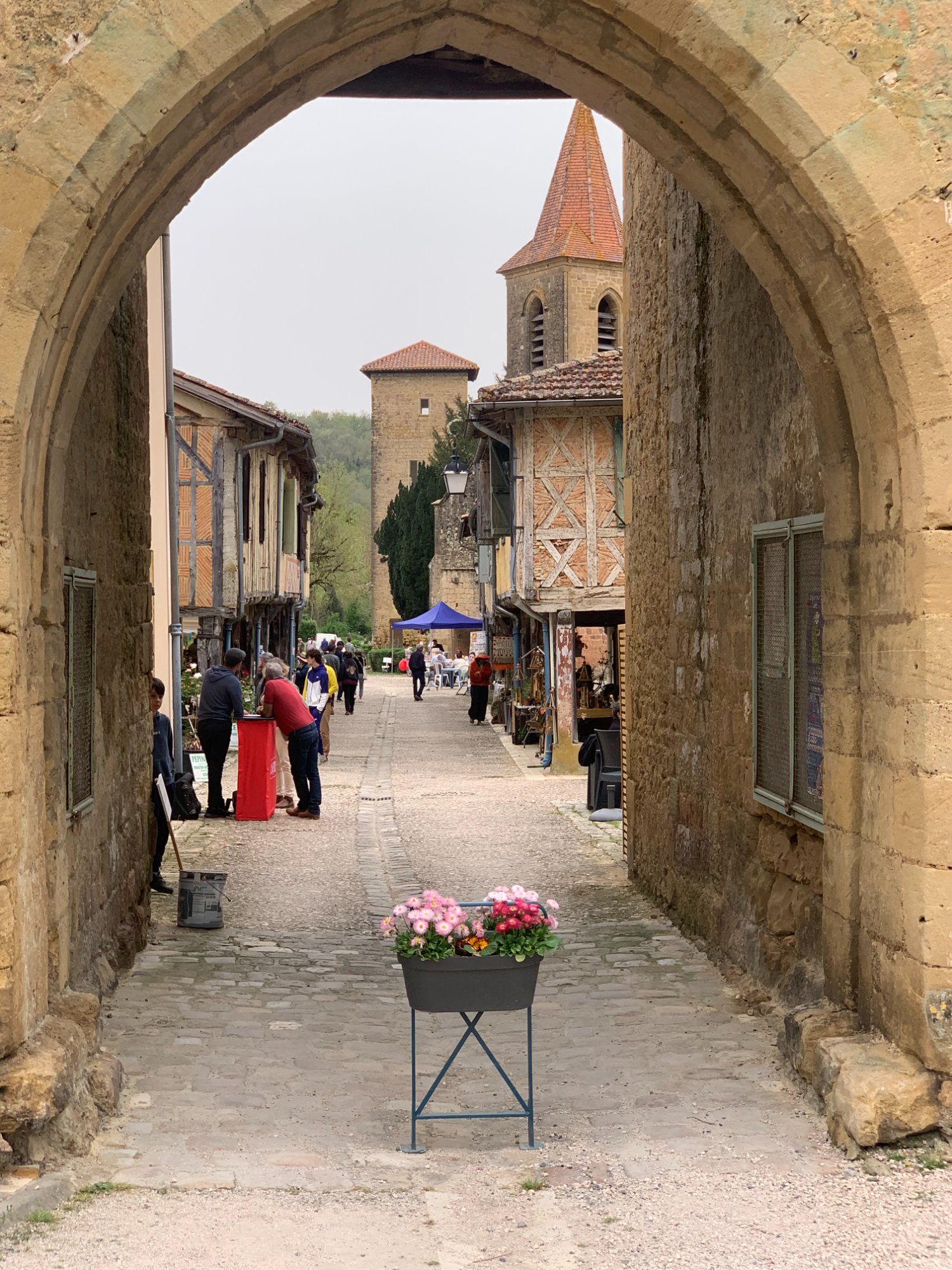
A tiny bastide of extraordinary medieval preservation. The single main street runs straight between rows of half-timbered houses that lean gently toward each other, as if in conversation. Almost completely untouched — the kind of place that makes you wonder what the 21st century is for.
A few further villages worth a drive
- Sarrant — a hilltop village with sweeping views, 1 hour. One of the most dramatically sited in the Gers, with the countryside falling away on all sides.
- Condom — the episcopal city of the Gers, 45 minutes. Cathedral, river, Armagnac museum, and a handsome stone centre that deserves a half-day minimum.
- Saint-Clar — 1 hour. Thursday market specialising in garlic. The town-hall square is extraordinarily beautiful — one of those places that stops you mid-step.
- Nérac — 45 minutes. Stretched out along the banks of the river Baïse, Nérac offers several waterside restaurants, the castle of Henri IV, and a lovely park. A relaxed half-day with a distinctly different feel from the hilltop villages.