
Medicinal plants of the estate — a guide by Monique Shefer
The estate at Château de Séailles is home to an extraordinary range of medicinal plants, herbs and trees — many of them wild, some cultivated in the potager and courtyard beds. This guide will help you identify and understand the plants you encounter on your walks through the grounds.
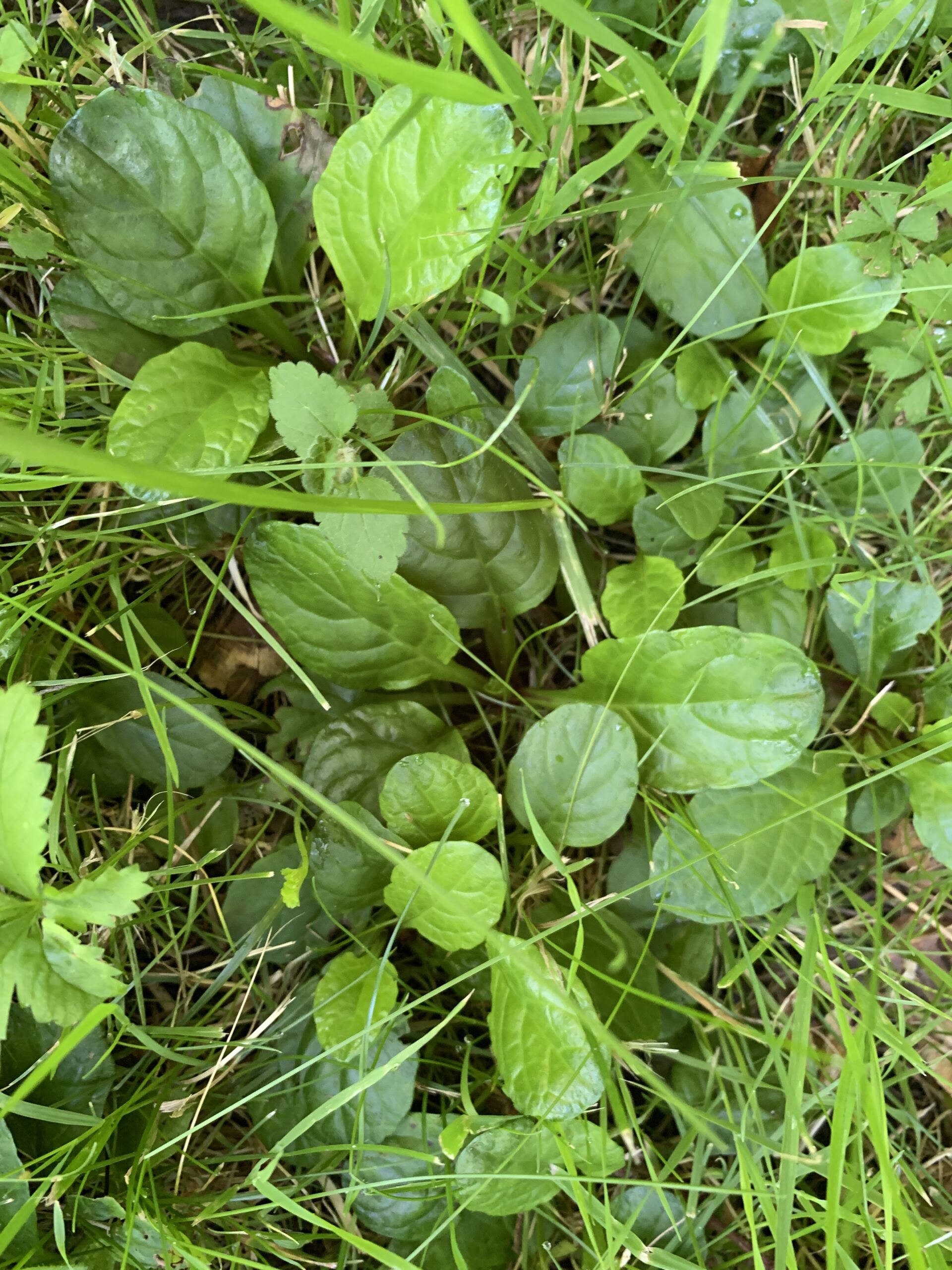
Used topically to stem bleeding and promote healing (styptic) — hence the folk names 'carpenter's herb' and 'middle comfrey'. Internally it provides respiratory and digestive support, though those on heart or diabetes medications should research interactions before internal use. Mildly sedative, it may slow the heart rate in the manner of digitalis.
In the lawn of the front park, particularly at the west end where the large hedge bisects the grounds, and toward the south of the front park. Look for carpets of blue flowers in early spring.
Also known as: bugle, blue bugle, bugleherb, bugleweed, carpetweed, carpet bugleweed, common bugle, St. Lawrence plant.
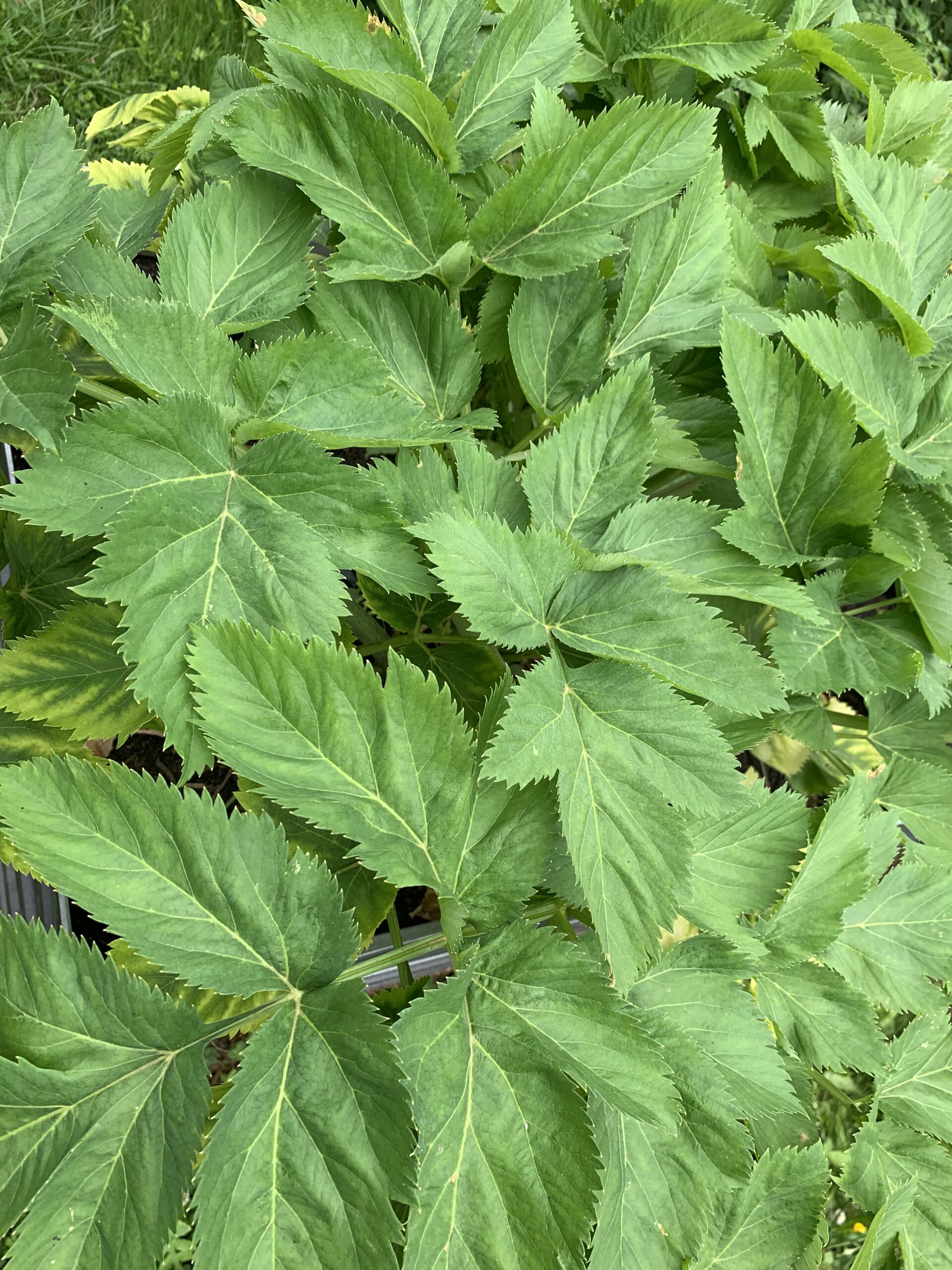
Root, rhizomes, seed and fruit are used as topical salves or taken internally as tea. Used for heartburn, flatulence, loss of appetite, arthritis, circulation problems, nervousness and insomnia. Also used to increase urine production, improve circulation and kill germs. Applied topically for nerve pain, joint pain and skin disorders. Note: has been used historically as an abortive — do not use during pregnancy.
Veggie beds outside the gite courtyard, in front of the door to the chapel.
Over 90 types of Angelica exist worldwide. Contra-indication: not for use during pregnancy.
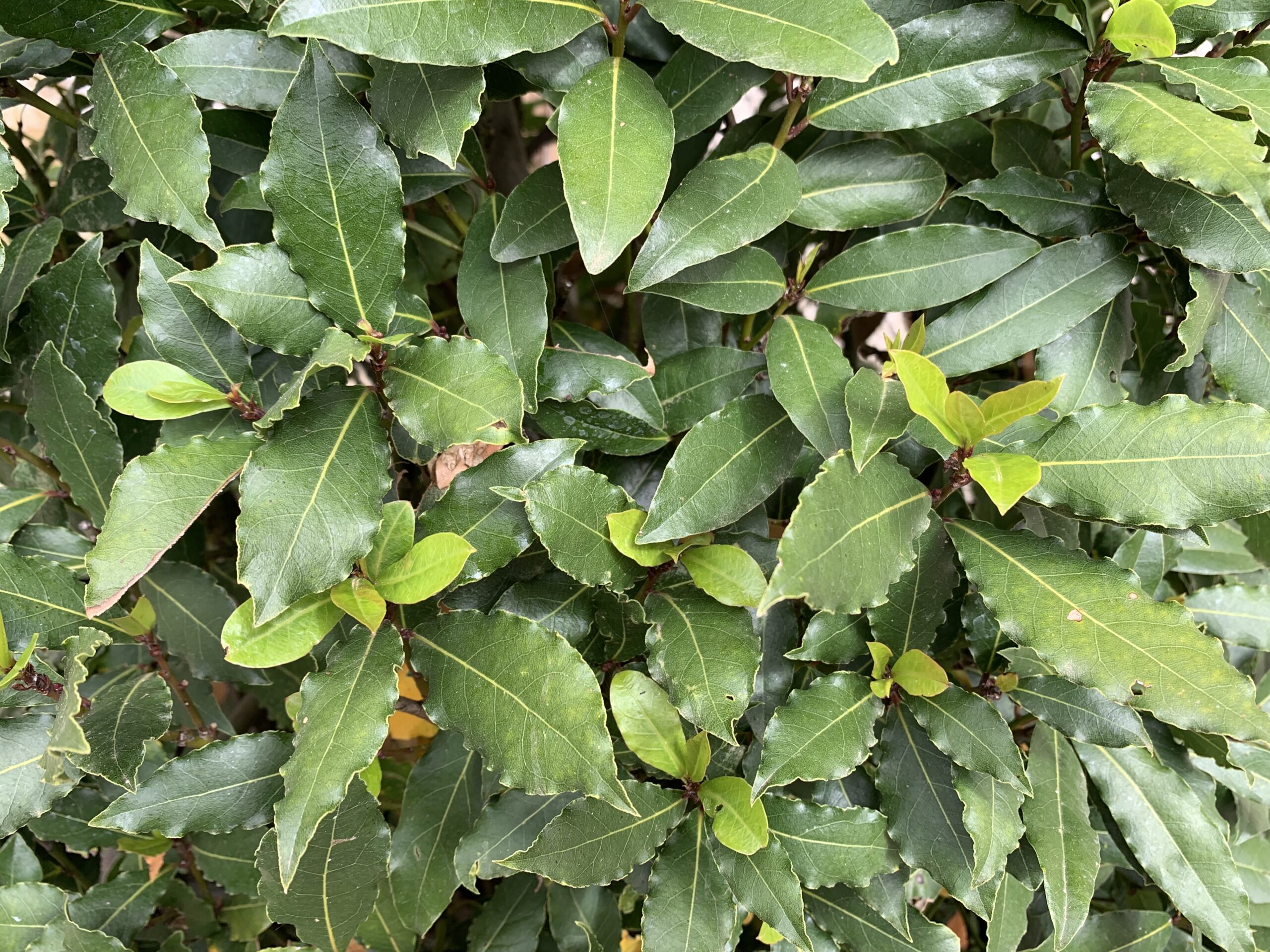
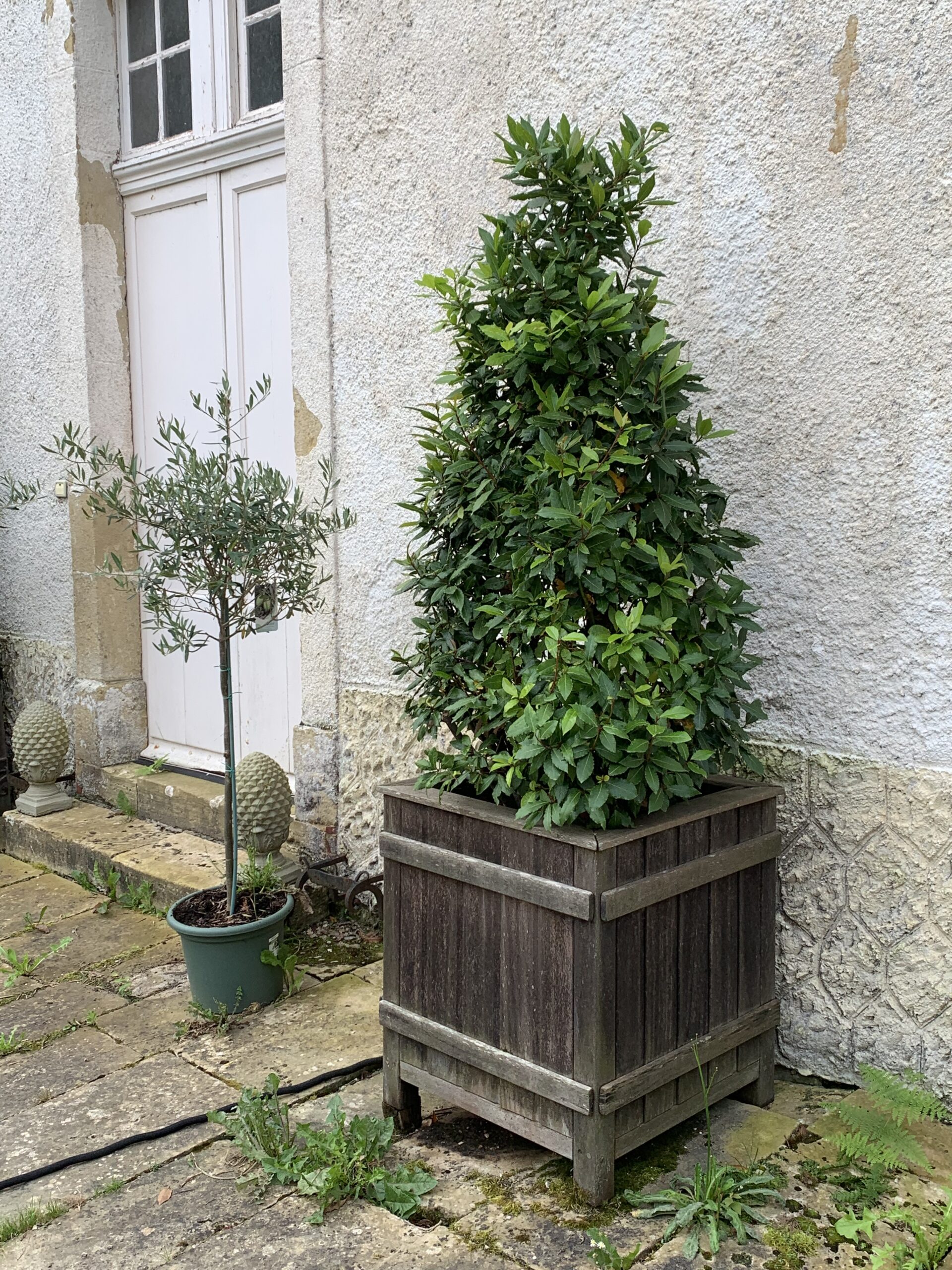
Taken internally as tea or tincture, sweet bay is used to treat cancer and gas, stimulate bile flow and cause sweating. Tincture can be applied to the scalp for dandruff. A salve of the leaves applied topically relieves muscle and joint pain (rheumatism). Anti-fungal properties of the bay nut can be harnessed as a salve to treat boils caused by infected hair follicles.
Wild along the sides of the steps running between the south lawn and the pool. Cultivated in topiaries in the main courtyard.
Bay is also one of the great culinary herbs — bouquet garni, slow braises, stocks.
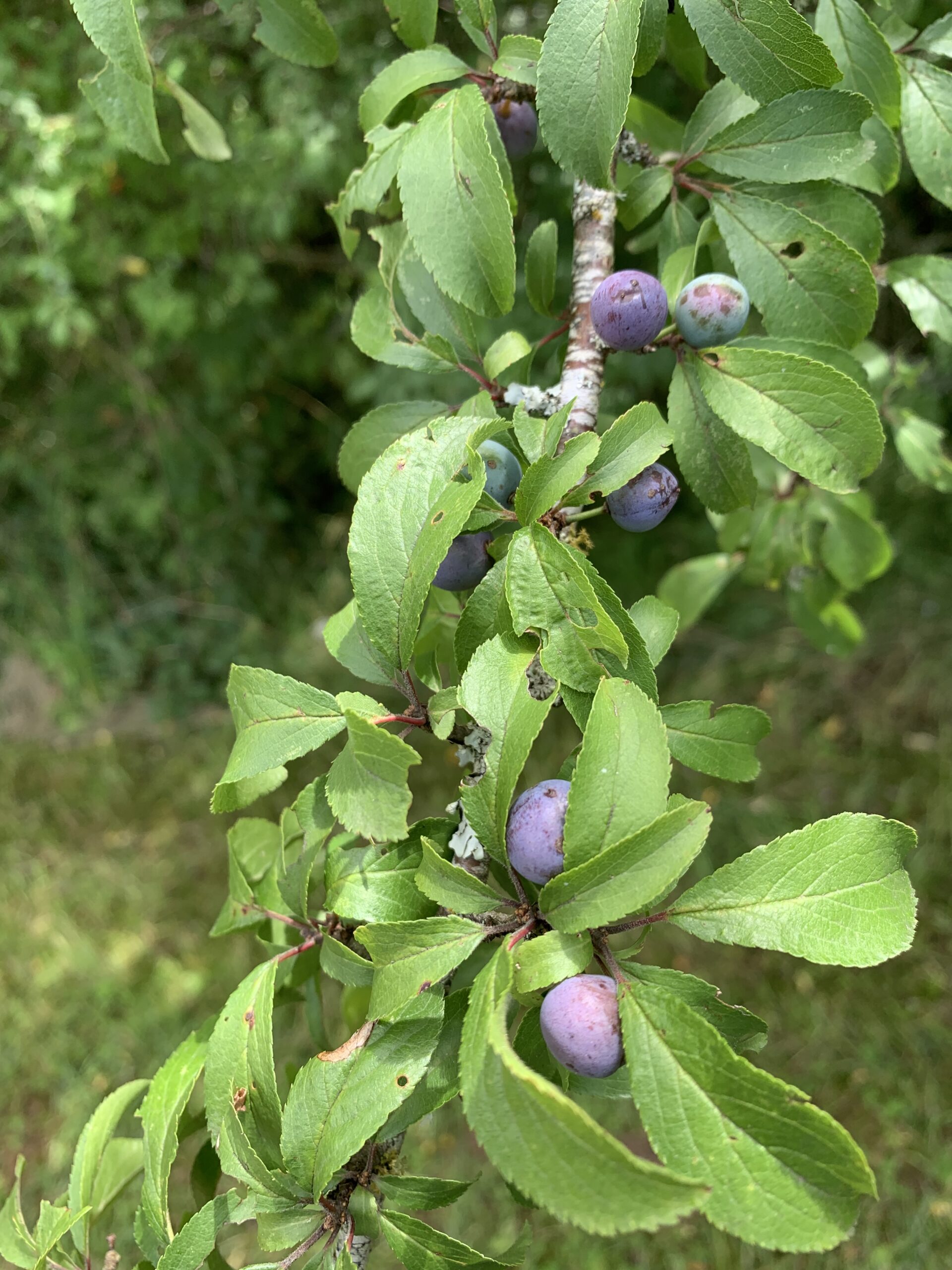
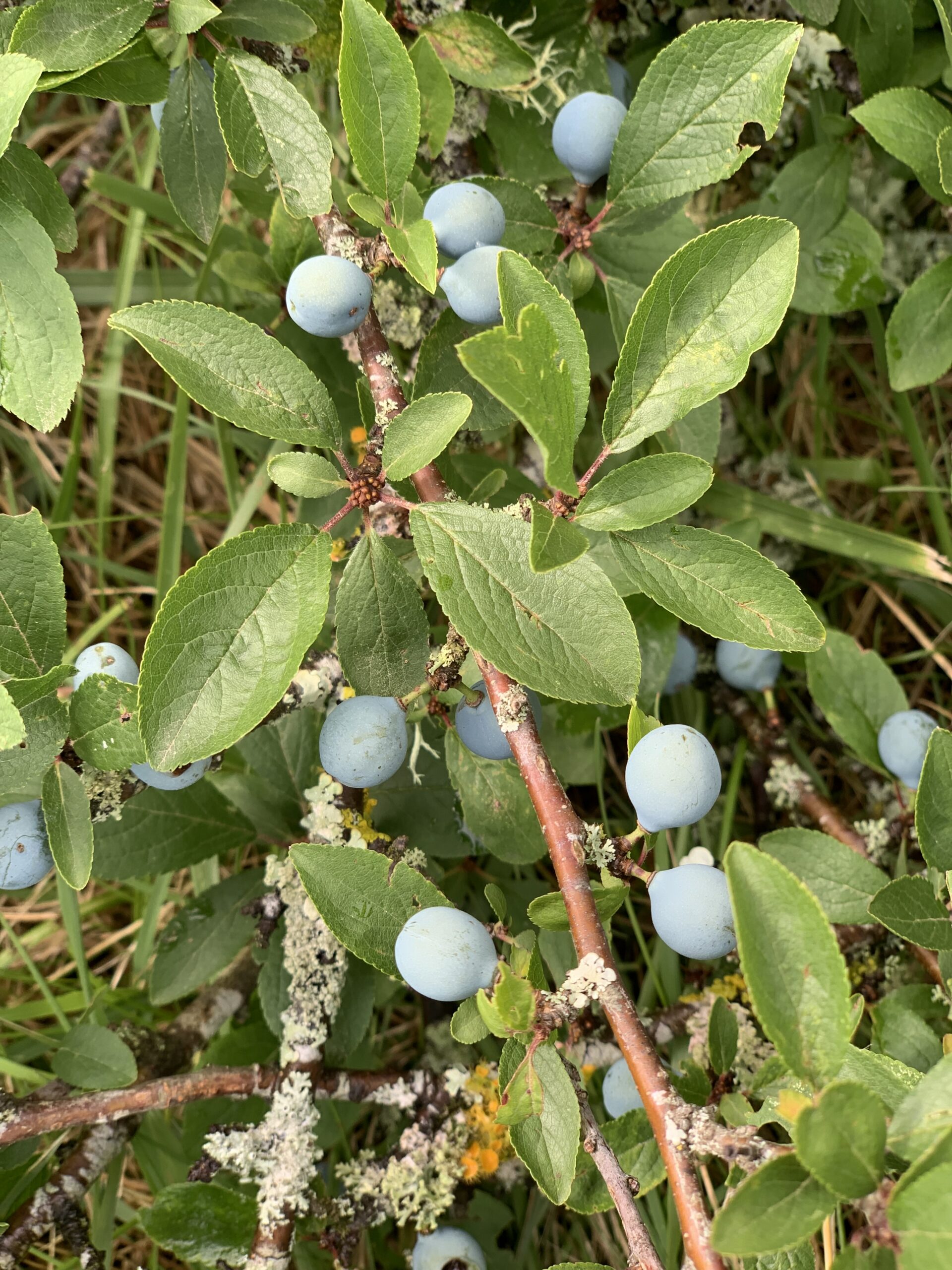
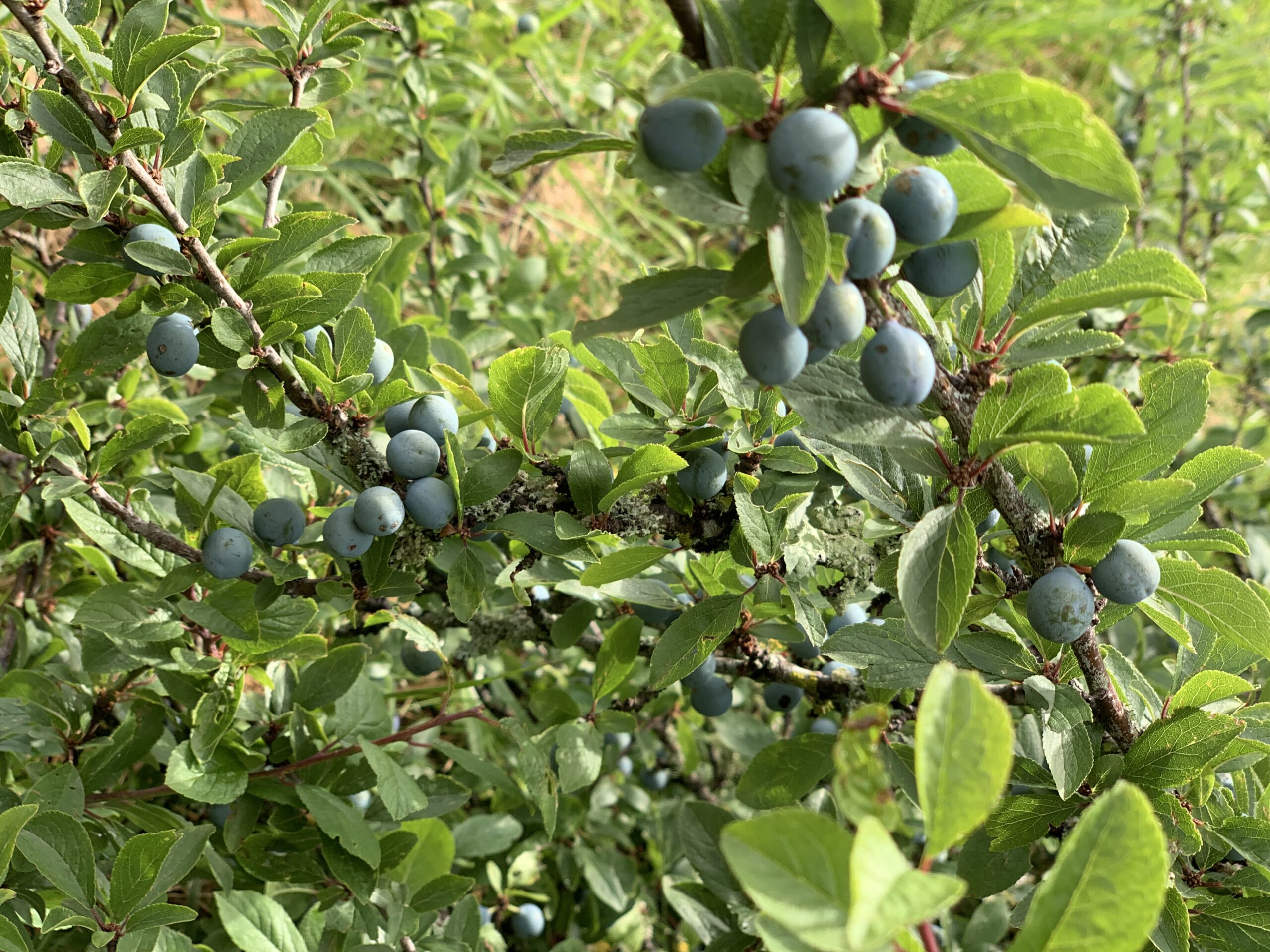
The astringent berries and bark have been used to treat diarrhoea; the flowers used as a laxative. Sloes were used as remedies for coughs and colds. The peeled bark boiled in water was a gypsy remedy for bronchitis. At the Château we combine sloes with gin or Armagnac and sugar, infuse for 3 months and strain to make Sloe Gin — or our very own invention, Sloe Armagnac.
Wild in the south hedgerows on both sides of a 20-foot-deep hedge, and along the east side of the orchard.
Harvest sloes in October after the first frost for best flavour.
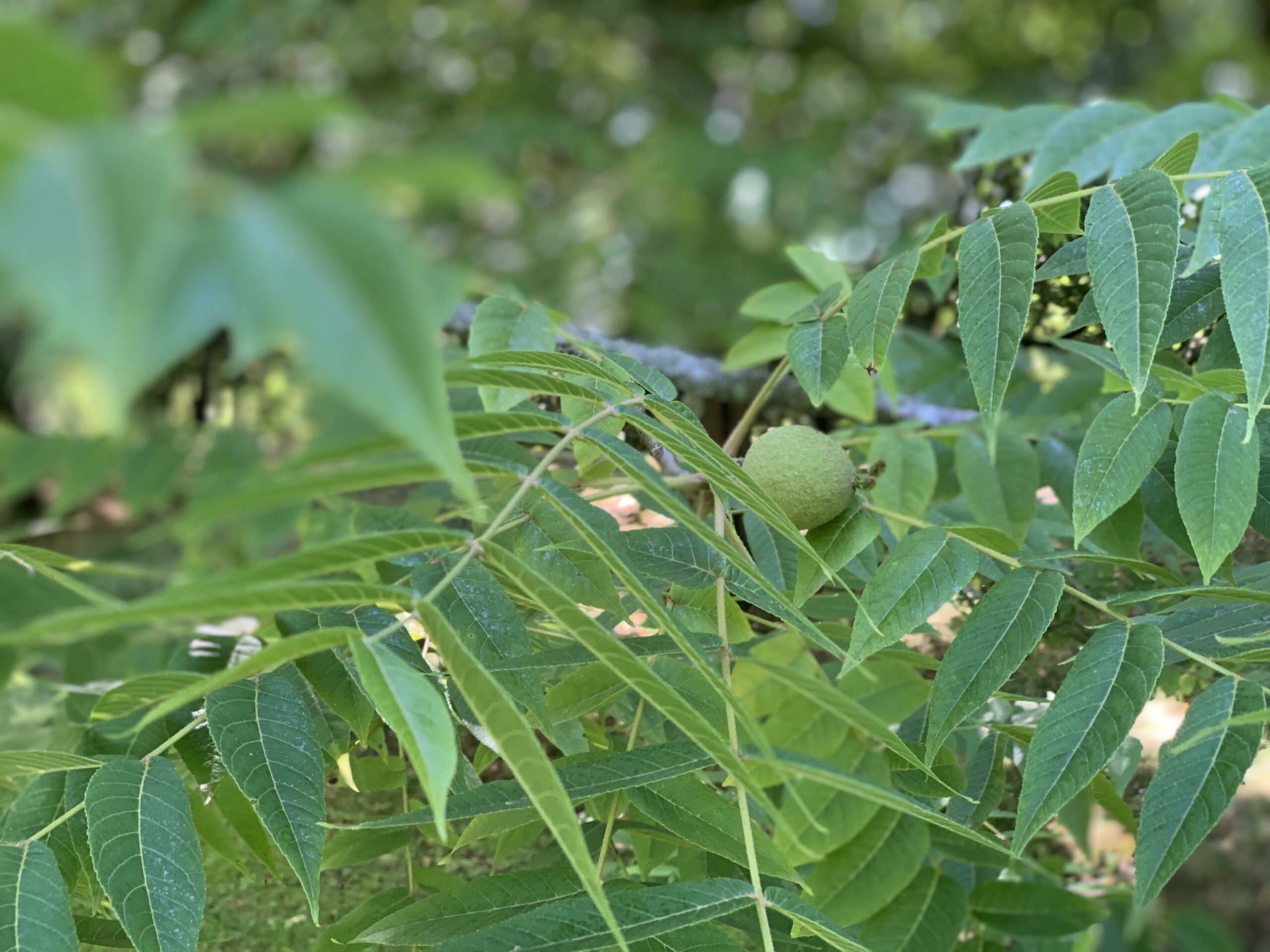
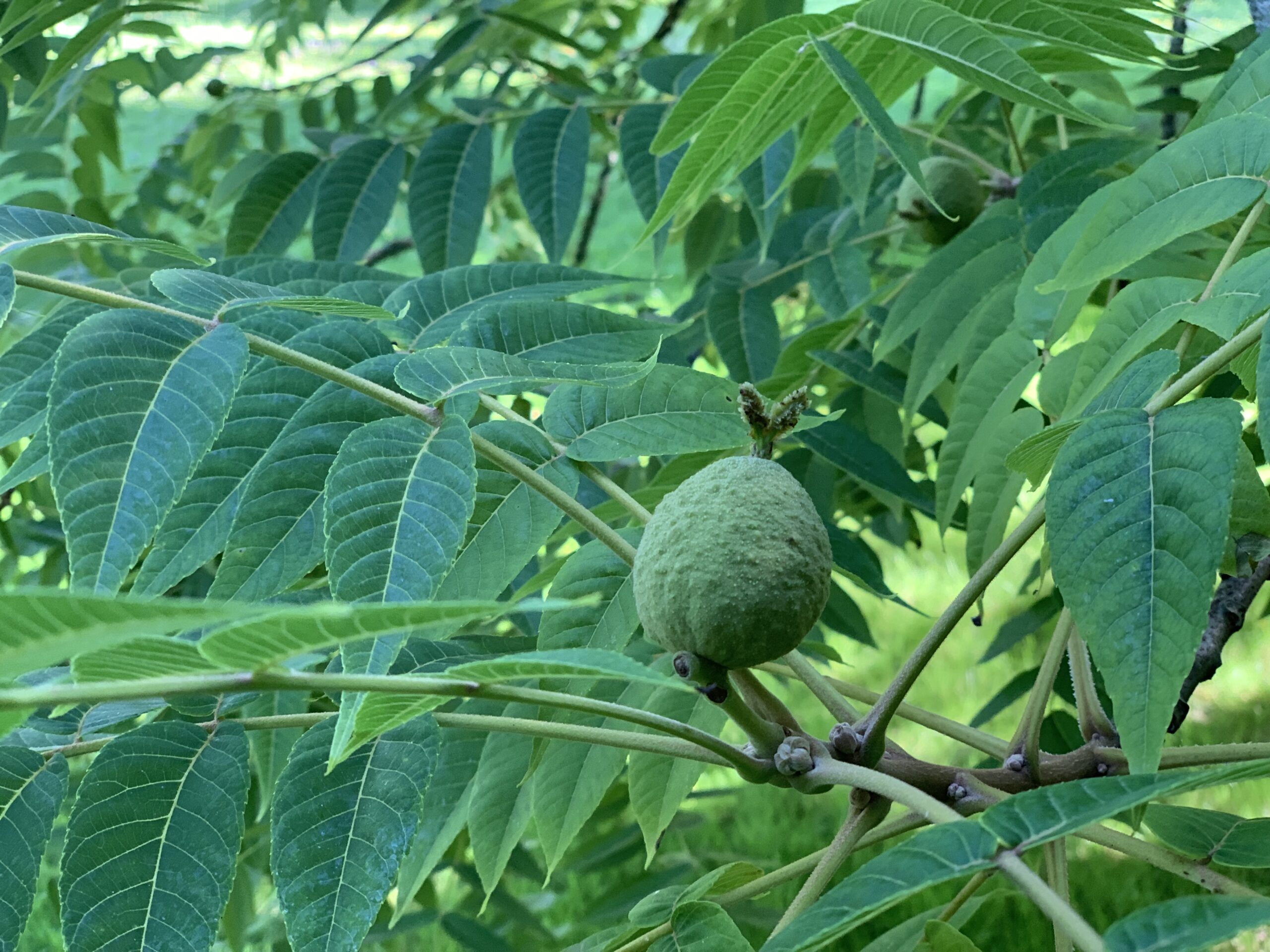
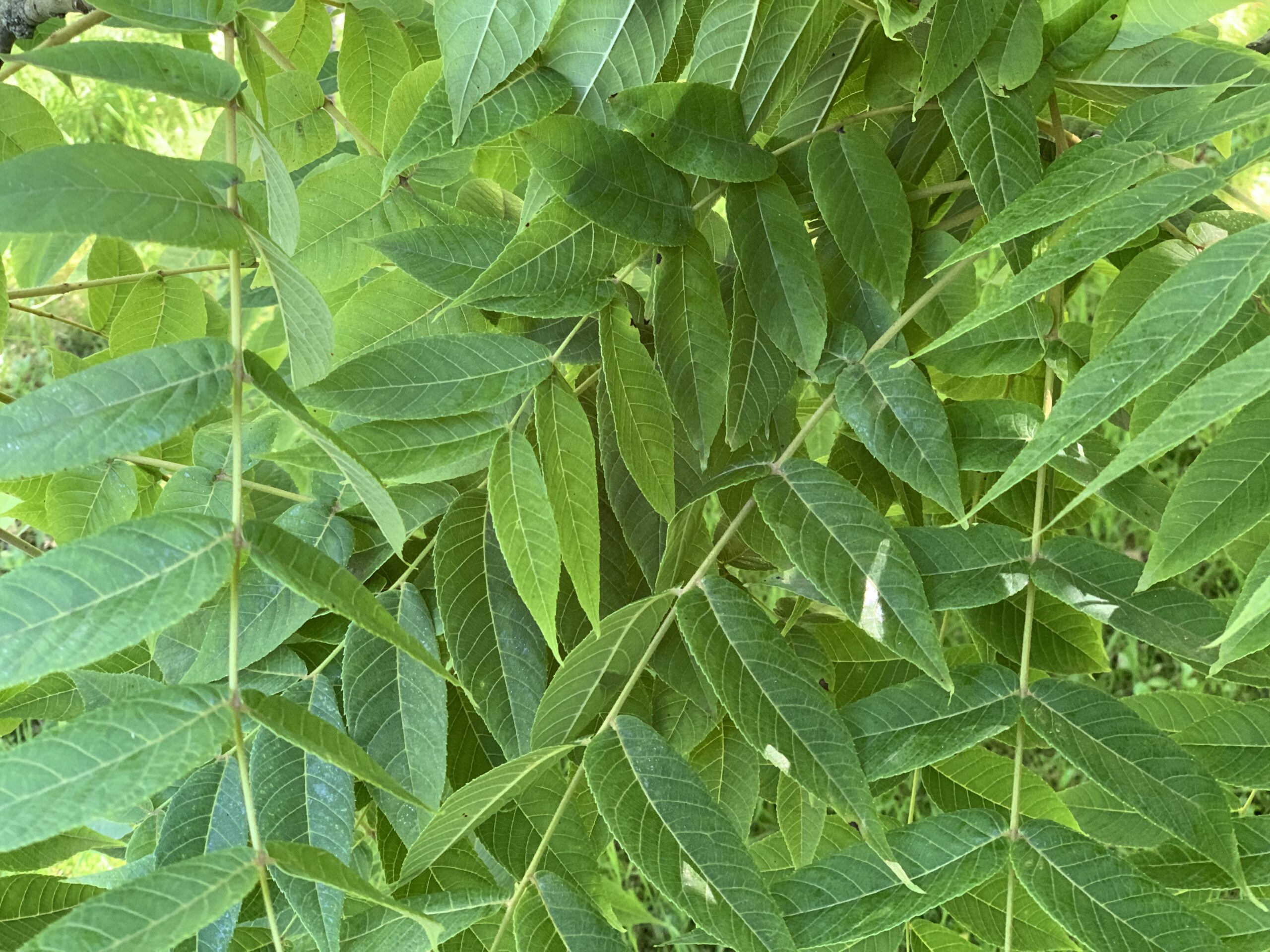
Anti-parasitic; treatment of neurodegenerative conditions and cancer (tincture of bark, leaf and fresh juice from unripe hulls); treatment of fungal and viral skin and nail infections including ringworm (topical salve of unripe hull juice). Affords cardiovascular health support as with all walnuts. The juice of unripe hulls can be taken as a liquid extract, 1–10 drops, one to three times per day in a little water.
In the front park beside the driveway, and on the north side of the lower pond.
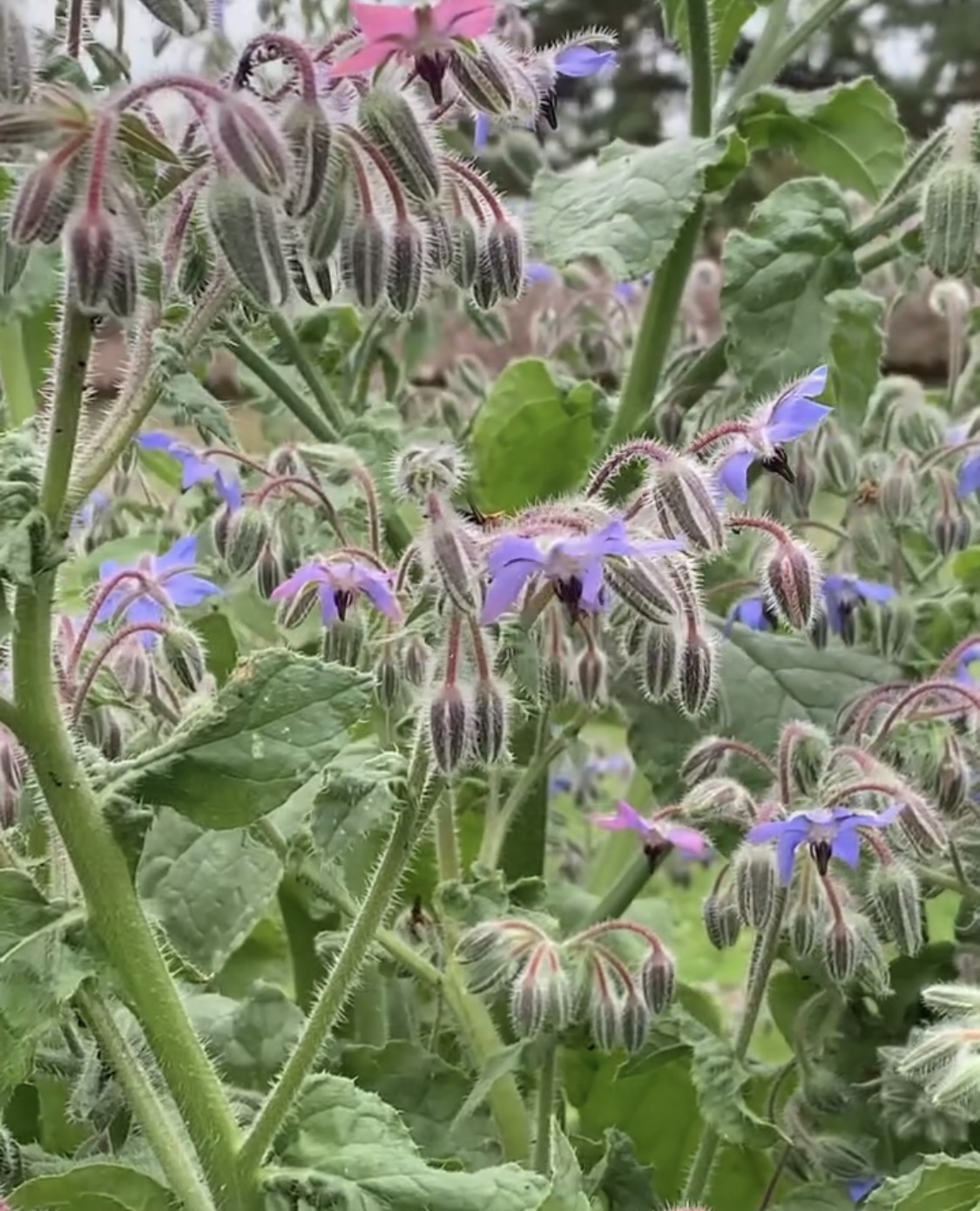
The leaves have been used to treat rheumatism, colds and bronchitis, and to increase lactation. Infusions induce sweating and urination. Used alone and with fish oil for rheumatoid arthritis and bone weakening. Borage seed oil and leaf tea used for improving lung function and supporting premature infants. The beautiful blue star-shaped flowers and leaves are edible and can be added to salads.
In the gite courtyard, and in the veggie garden outside the chapel.
Also known as: burrage, common bugloss, bee-bread, bee fodder, star flower, ox's tongue, cool tankard.
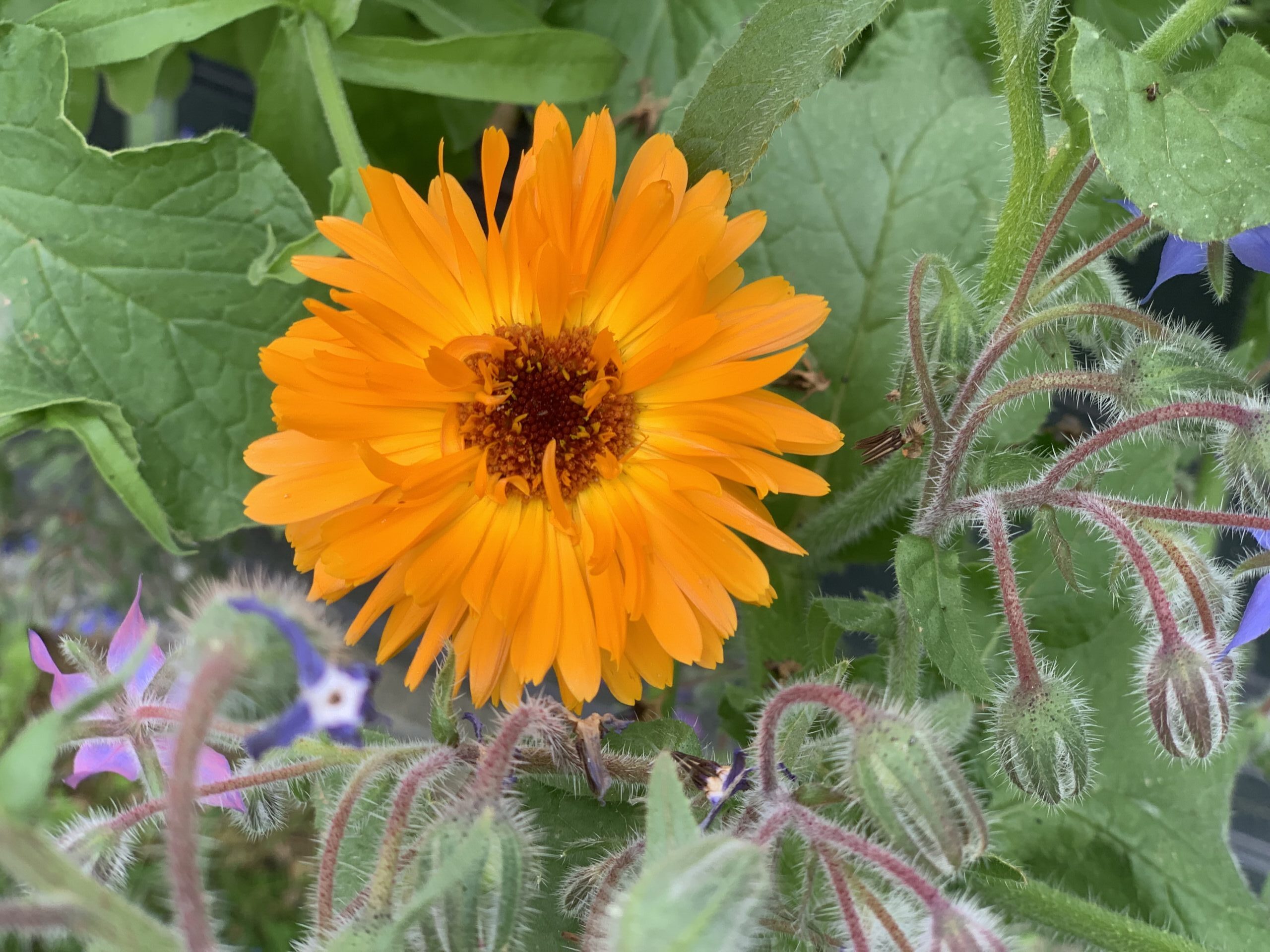
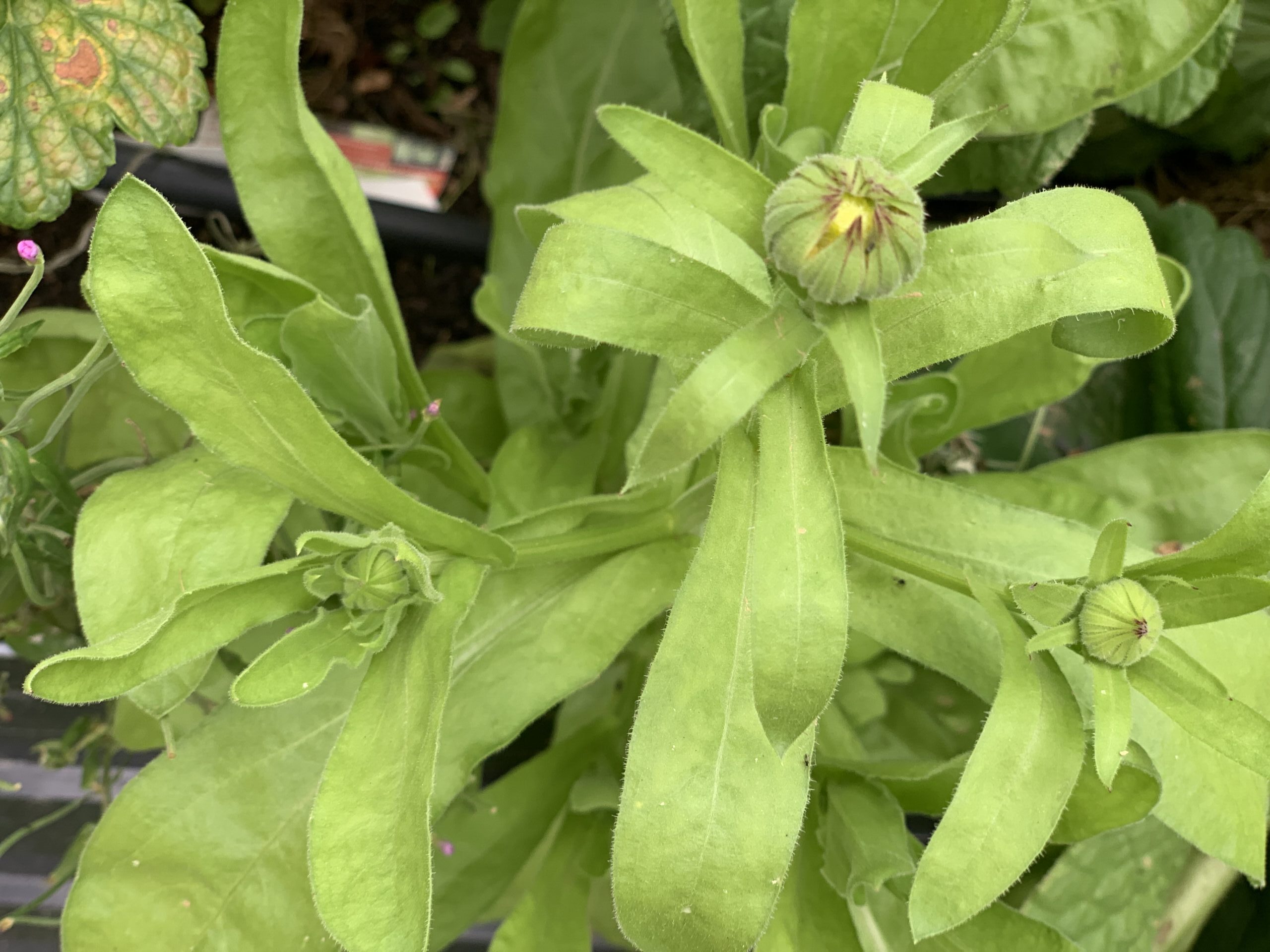
Healing and antibacterial treatment for wounds, rashes, burns, scars, ear infections and bites — used topically in cream, salve, oil or powder. Shown to help wounds heal faster by increasing blood flow and oxygen. Also used to improve skin hydration and firmness. Has been shown to help prevent dermatitis in breast cancer patients during radiation therapy. The flowers and leaves are edible and can be added to salads.
In the potager beds — cultivated.
Also known as: Pot Marigold, Gold Bloom, Holligold, Mary Bud, Ruddles.
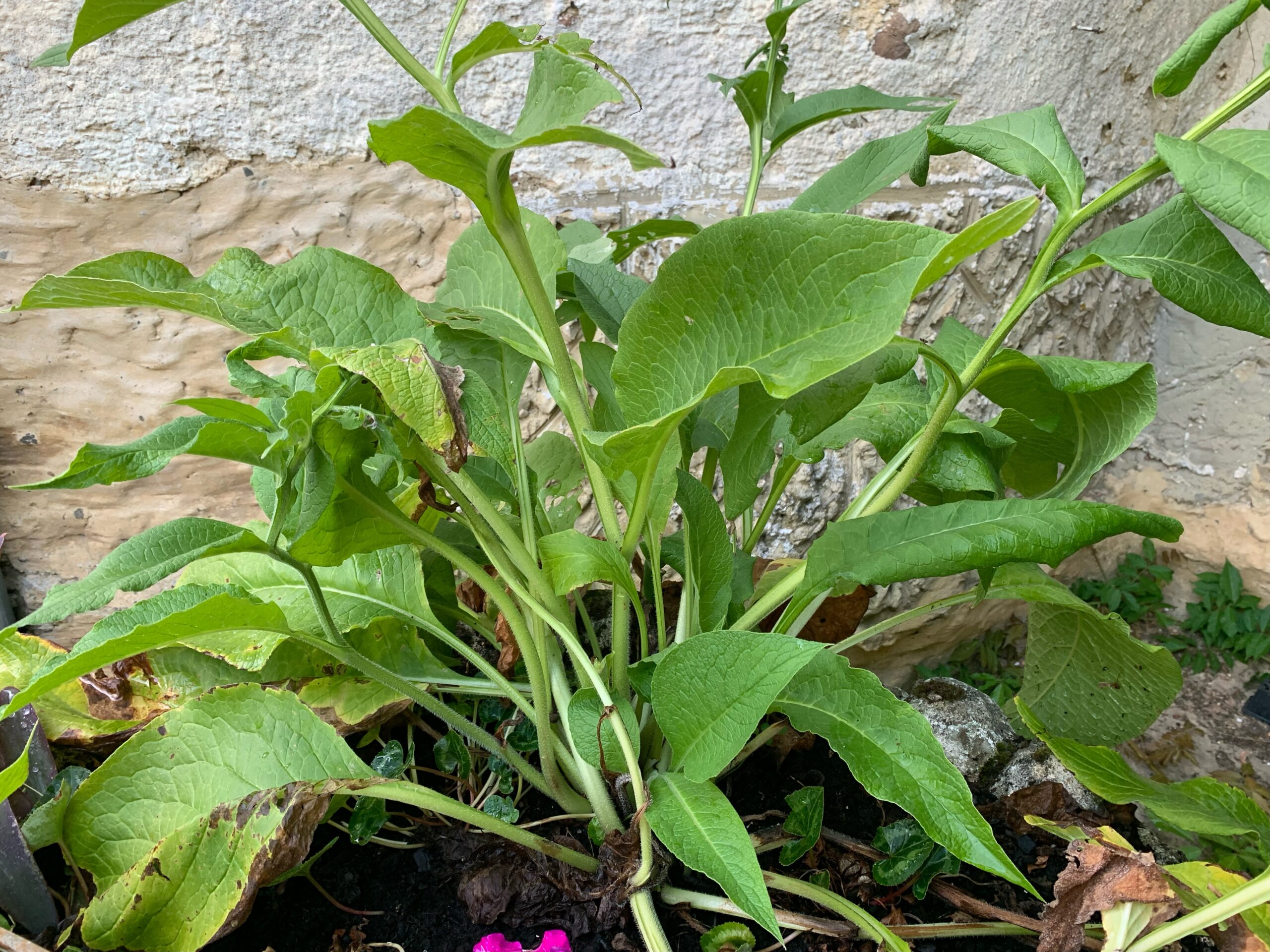
Hundreds of years of traditional medicine and an abundance of clinical trials have confirmed the topical use of comfrey root for treatment of bruises, pulled muscles and tendons, sprains, healing of bone fractures, breaks and osteoarthritis. Used primarily as a salve. Internal use is not recommended without the capacity to remove toxic alkaloids.
Found in the old fountain in the main courtyard, in the flower bed along the front wall, and in the tropical planting bed at the south-west corner of the upper pond. Many varieties exist — all are quite aggressive growers.
Also known as: bone heal, knitbone, bruisewort, slippery root.